Alumnae Lecture Series - Lecture No. 3: EMDR in the Treatment of Trauma
Legacy Exchange: Alumnae Lecture Series - Lecture No. 3
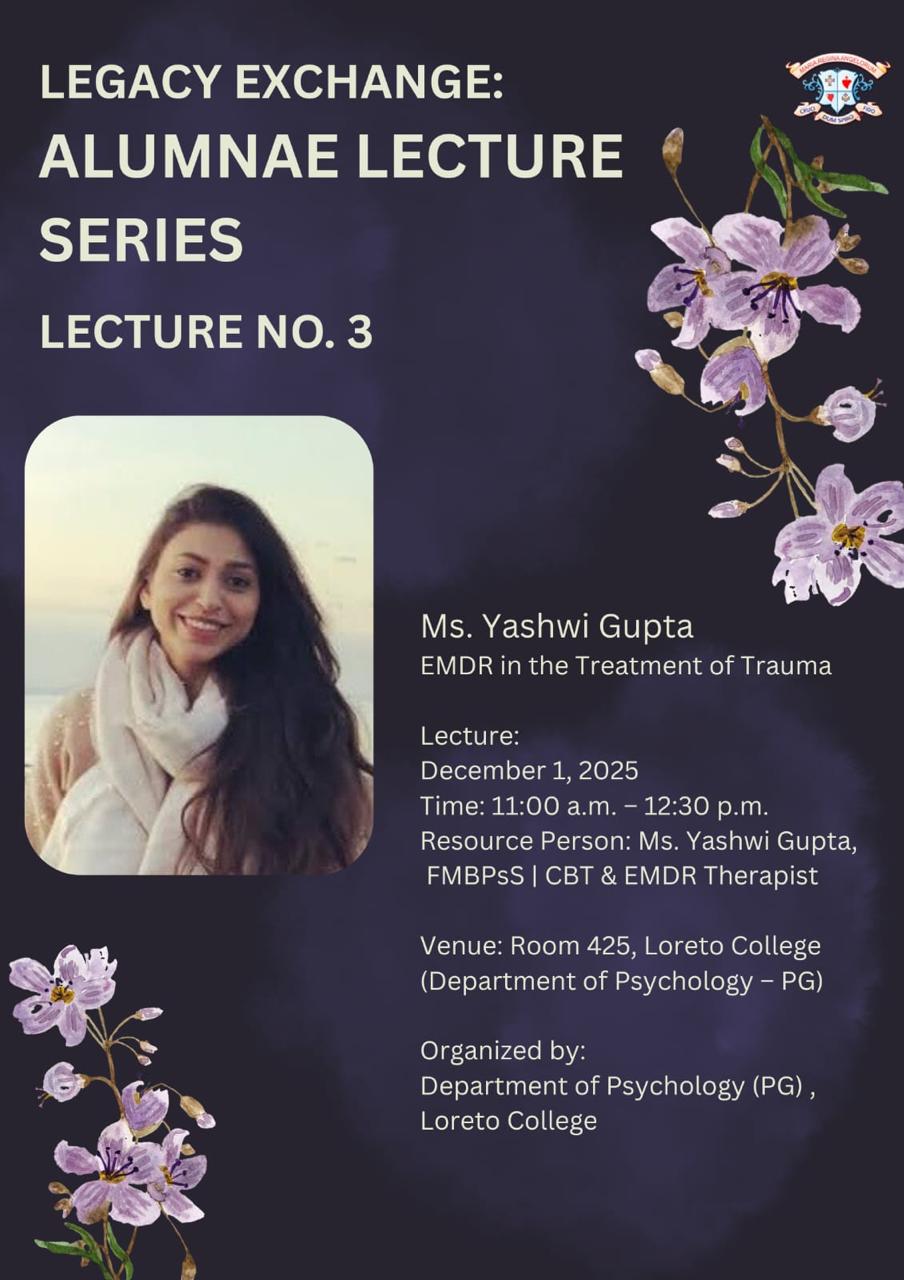
Speaker: Ms. Yashwi Gupta
Topic: EMDR in the Treatment of Trauma
Date: December 1, 2025
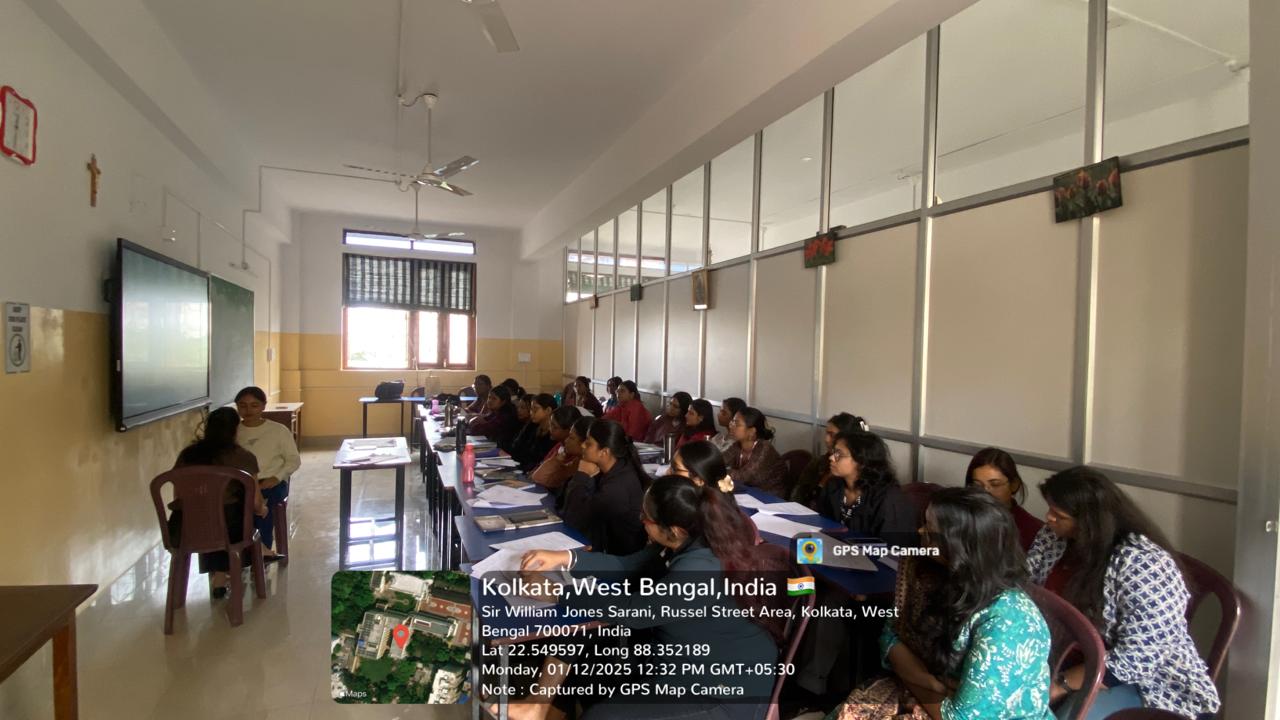
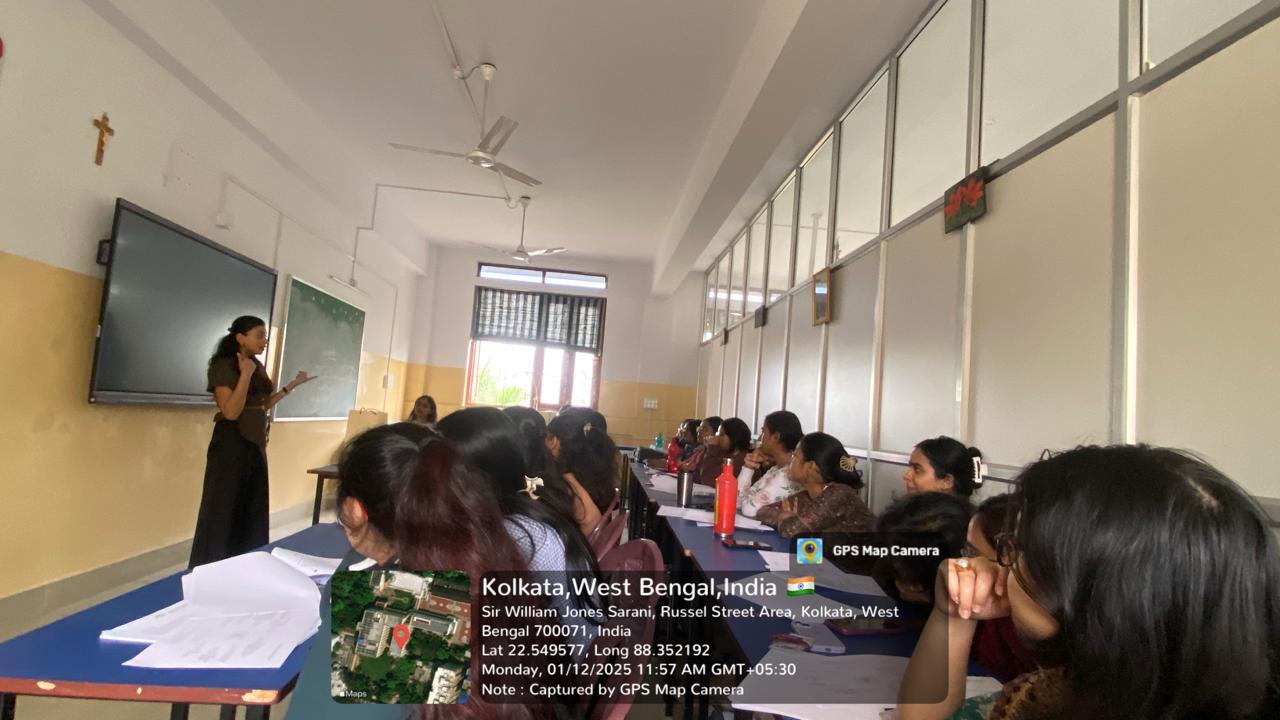
Venue: Room 425, Department of Psychology (PG), Loreto CollegeThe third session of the Legacy Exchange: Alumnae Lecture Series was held on December 1, 2025, in Room 425 of the Department of Psychology (PG), Loreto College. The session was delivered by Ms. Yashwi Gupta, an accomplished CBT and EMDR therapist (FMBPsS) and a distinguished alumna of the department. Her lecture focused on the clinical application of Eye Movement Desensitization and Reprocessing (EMDR) in trauma treatment, offering postgraduate students a structured and academically grounded overview of trauma-informed practice. Speaking both as a clinician and as a former student, Ms. Gupta created an immediate sense of continuity, strengthening the connection between academic training and professional practice.
To facilitate systematic learning, she distributed a set of instructional materials at the outset. These included an overview of trauma, a detailed outline of EMDR, the standard eight-phase protocol, worksheets on negative and positive cognitions, and introductory grounding and resourcing exercises. These documents served as a guide throughout the session, helping students understand key concepts with clarity.
The lecture began with a conceptual explanation of trauma. Ms. Gupta defined trauma as the enduring psychological and somatic imprint of overwhelming experiences, emphasizing that trauma is not the event itself but the persistent disruption in information processing that remains afterward. This framework, consistent with contemporary neurobiological perspectives, established the rationale for using EMDR as an intervention.
In introducing EMDR, Ms. Gupta highlighted its theoretical foundation in the Adaptive Information Processing (AIP) model. She explained that EMDR is based on the premise that the mind naturally strives toward healing, but trauma obstructs this process. Through bilateral stimulation-visual, auditory, or tactile—the therapist facilitates reprocessing of distressing memories, reducing their emotional intensity while strengthening adaptive beliefs. She stressed that EMDR does not erase memories; instead, it reorganizes their emotional and cognitive impact.
An important segment of the lecture focused on the Eight Phases of EMDR: History Taking, Preparation, Assessment, Desensitization, Installation, Body Scan, Closure, and Re-evaluation. Using anonymized clinical examples, Ms. Gupta demonstrated how clients move through each phase. Her explanations highlighted the interplay between emotional regulation, cognitive restructuring, and somatic awareness that characterizes EMDR therapy.
She then introduced the Negative and Positive Cognition Vault Exercise, a structured technique for identifying core beliefs linked to traumatic memories. Students examined maladaptive beliefs such as "I am unsafe" or "I am powerless" and contrasted them with adaptive alternatives like "I am in control now" or "I deserve safety". This activity illustrated EMDR's emphasis on cognitive transformation alongside emotional processing.
The session also incorporated experiential components. Ms. Gupta guided students through grounding techniques and a brief safe-place visualization exercise, demonstrating early-phase strategies used to stabilize clients before trauma reprocessing begins. These practices helped students understand how therapists support clients in managing distress and maintaining present-moment awareness.
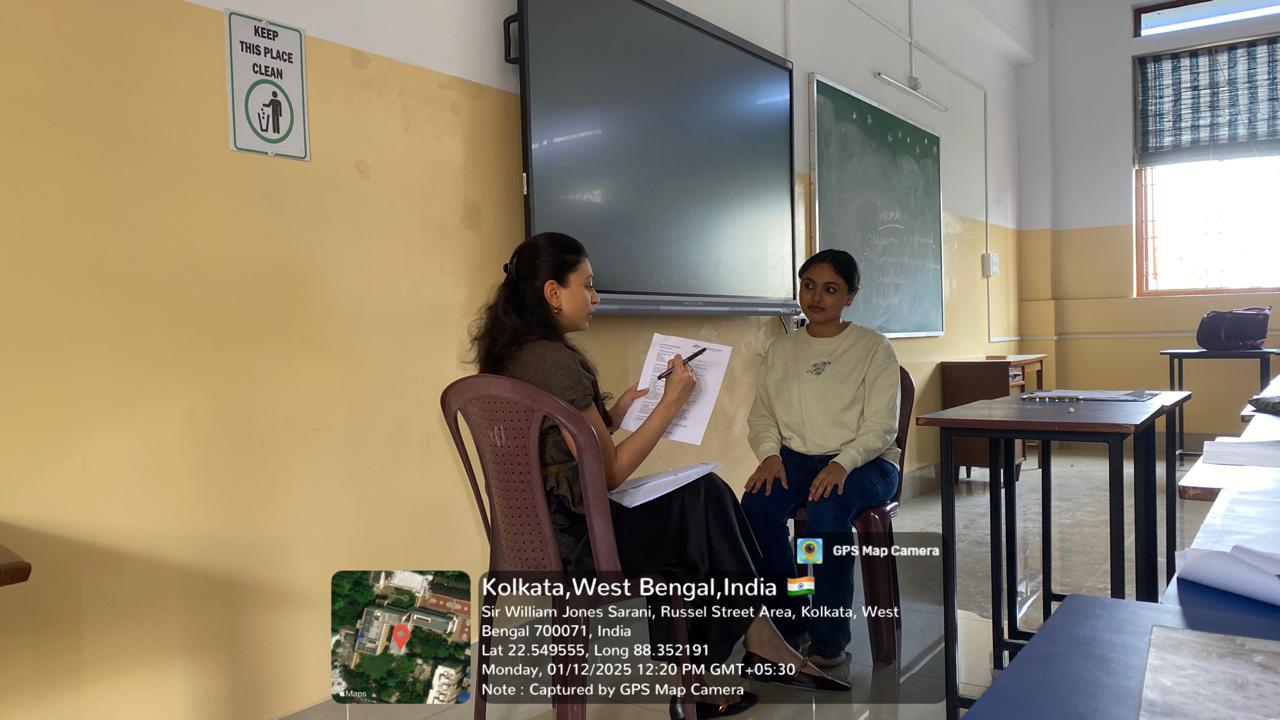
A particularly engaging section involved demonstrations of EMDR and CBT-based techniques, including guided eye movements, the butterfly-tapping method, and cognitive reframing strategies. These demonstrations bridged theory and clinical practice, allowing students to observe trauma intervention methods in action.
The lecture concluded with an interactive question-and-answer session, where students raised queries about therapist boundaries, distinctions between EMDR and CBT, indications for EMDR, and its adaptability across client populations. Ms. Gupta’s responses reflected both clinical experience and theoretical depth.
Overall, the lecture provided a comprehensive introduction to trauma and EMDR, enriched by clinical examples, experiential exercises, and clear instructional materials. It offered students both technical knowledge and a deeper appreciation of the ethical and relational dimensions central to trauma-informed therapy.




 ANNOUNCEMENTS