Vigilance Awareness Campaign
Introduction
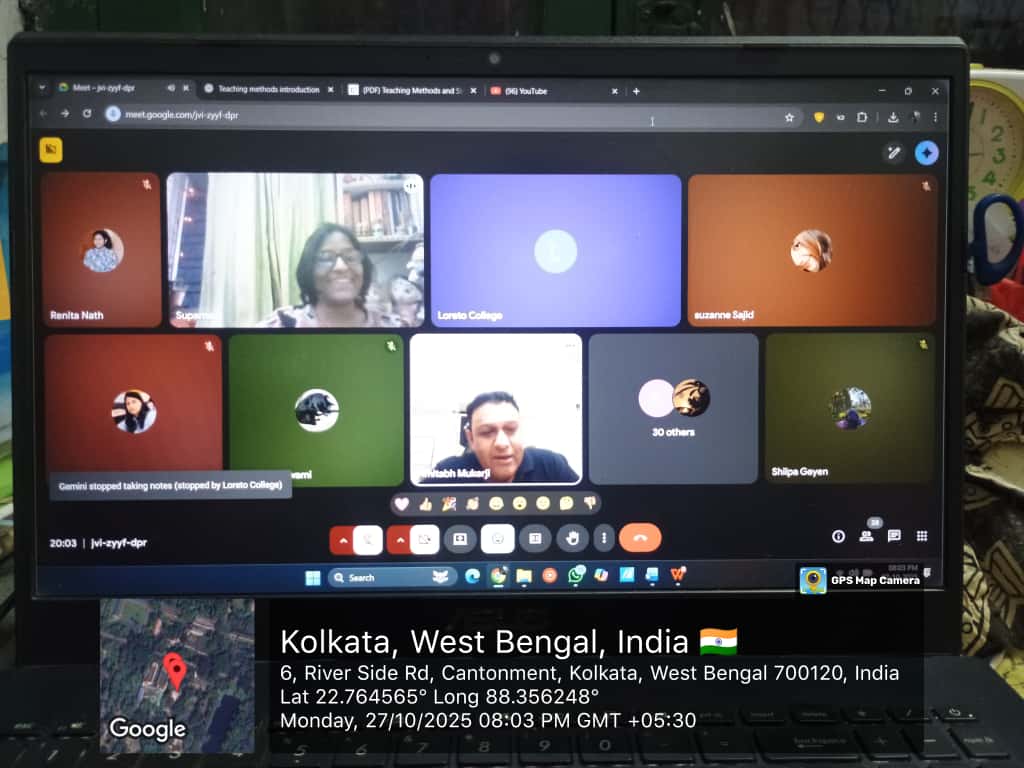
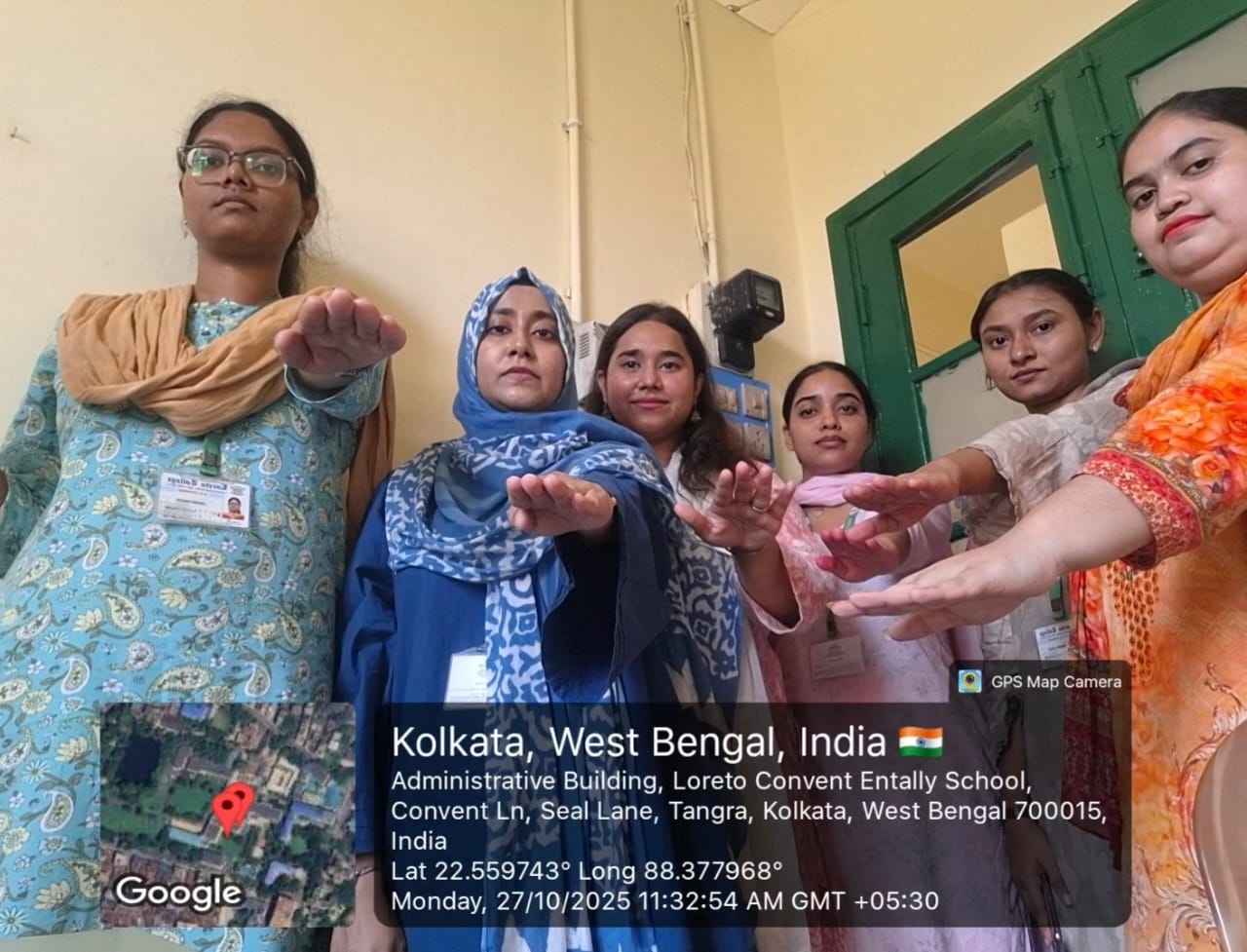
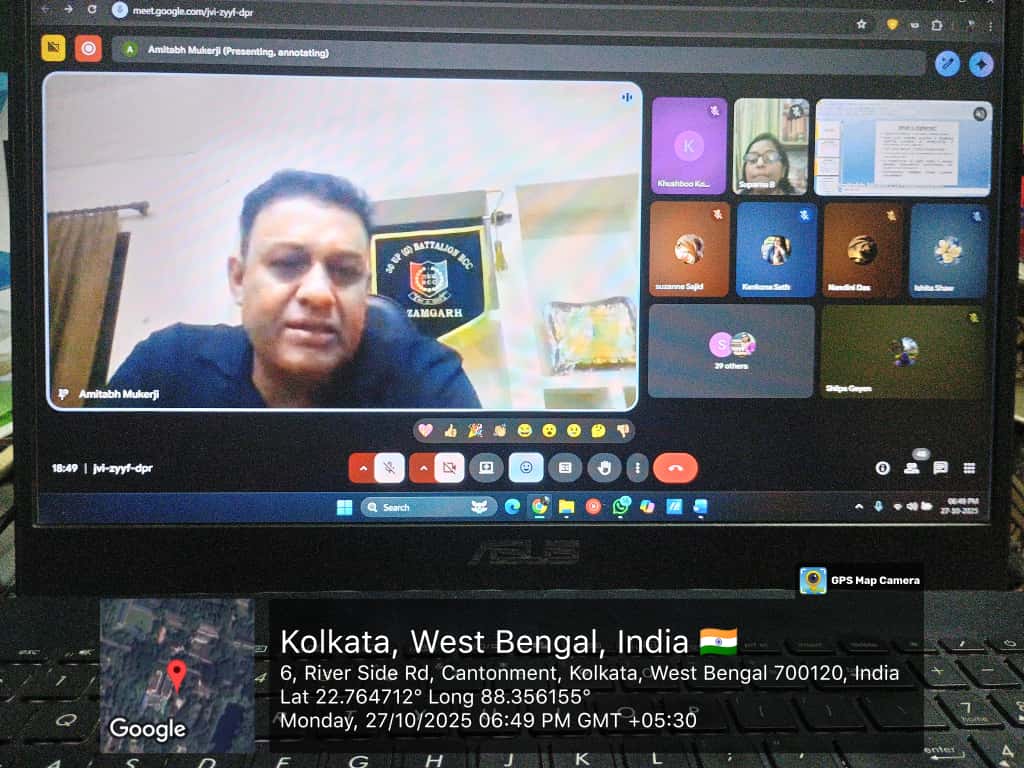
The B.Ed Department of Loreto College observed Vigilance Awareness Week on 27th October from 6:30 to 8:00 p.m. through an online interactive session on the theme "Vigilance: Our Shared Responsibility". The event began with a warm introductory speech by the Sub-Class Representative, emphasizing the importance of vigilance as both a personal value and a civic duty. The Head of the Department, Dr. Suparna Ghosh then introduced the guest speaker, Colonel Amitabh Mukherjee, highlighting his distinguished service and achievements.
Session Overview
Colonel Mukherjee began his address by defining the concepts of corruption and vigilance, drawing attention to their close interrelation and impact on both individual and institutional integrity. He explained that vigilance is not merely about monitoring or control, but about cultivating a conscious awareness that helps prevent wrongdoing before it occurs.
He further discussed the 4 P's of corruption and elaborated on how vigilance functions through awareness, prevention, detection, and corrective action. The speaker emphasized that vigilance is most effective when it becomes a habit and part of one’s moral framework rather than an imposed duty. He also highlighted the importance of promoting a culture of transparency within educational institutions, workplaces, and communities to build a corruption-free environment.
The session explored how vigilance can be practiced in daily life-from responsible decision-making to ethical digital behavior. Colonel Mukherjee encouraged future educators to model vigilance through honesty, fairness, and accountability, reinforcing that vigilance should inspire participation, not fear.
Key Perspectives
The session encouraged participants to reflect on how vigilance can be cultivated in daily life and how individuals can act against corruption without fear. During the interactive discussion, students and faculty raised questions about promoting vigilance among youth, using AI responsibly, the relationship between competition and corruption, and the difference between vigilance and over-vigilance. Colonel Mukherjee shared his experiences from service, offering practical insights and examples that made the discussion engaging and relatable.
Conclusion
The session concluded with a vote of thanks, expressing gratitude to Colonel Mukherjee for his enriching address and to all participants for their active engagement. The event successfully conveyed that vigilance is not merely a regulatory function but a shared social responsibility that upholds transparency, integrity, and trust in both personal and professional spheres.




 ANNOUNCEMENTS