Orientation Session: Introduction to the Research and Development Cell, Loreto College, Kolkata
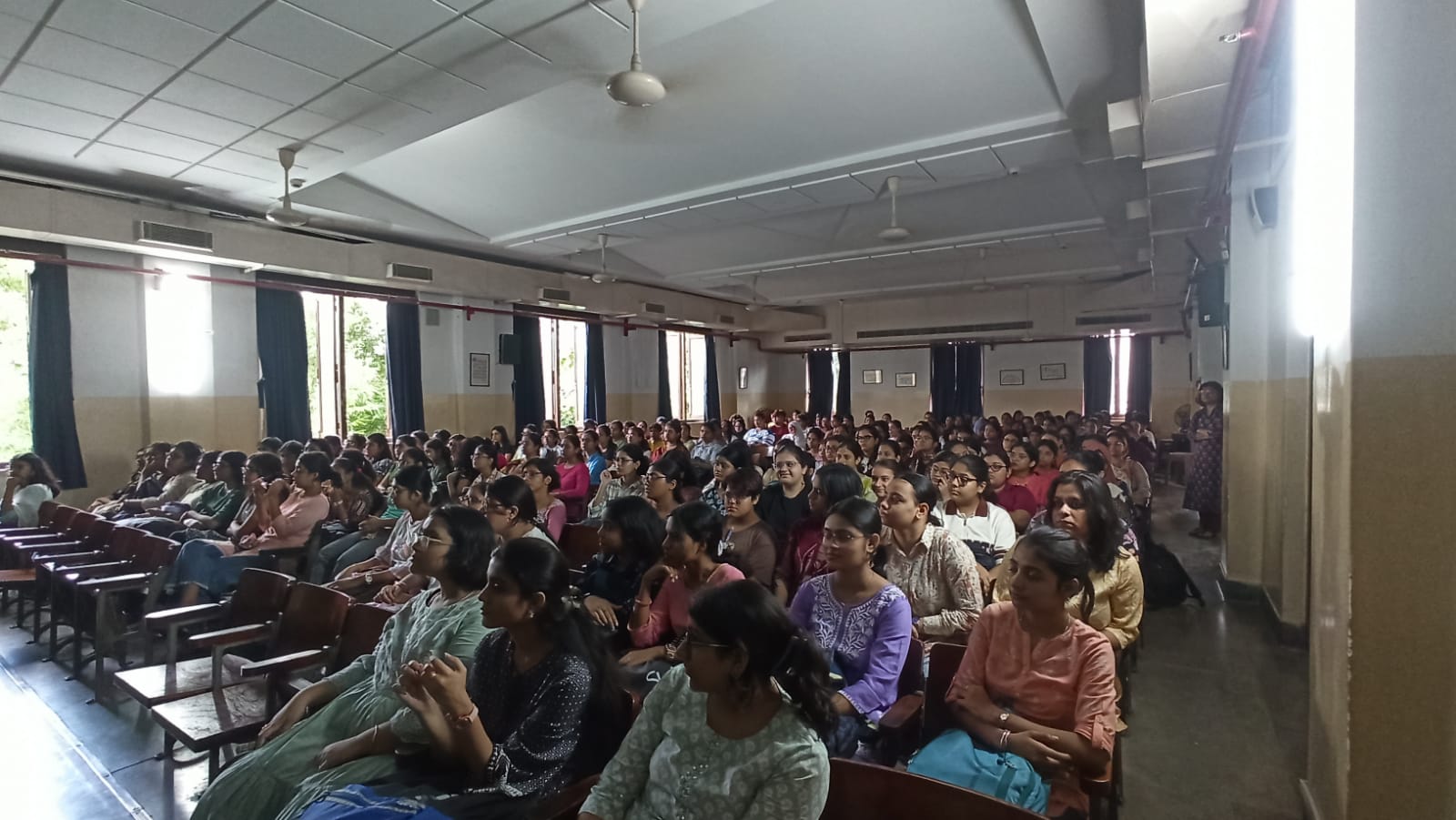
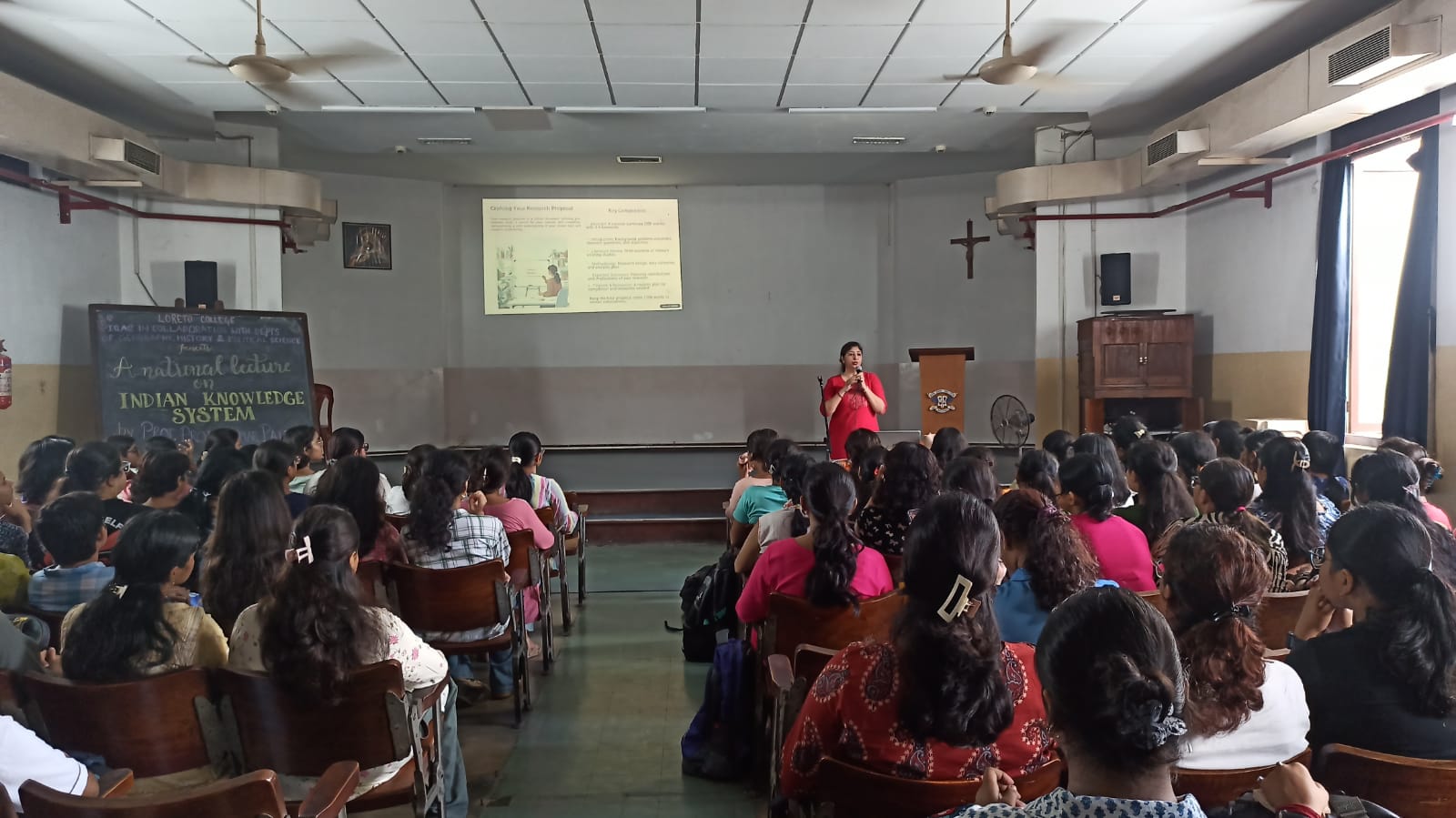
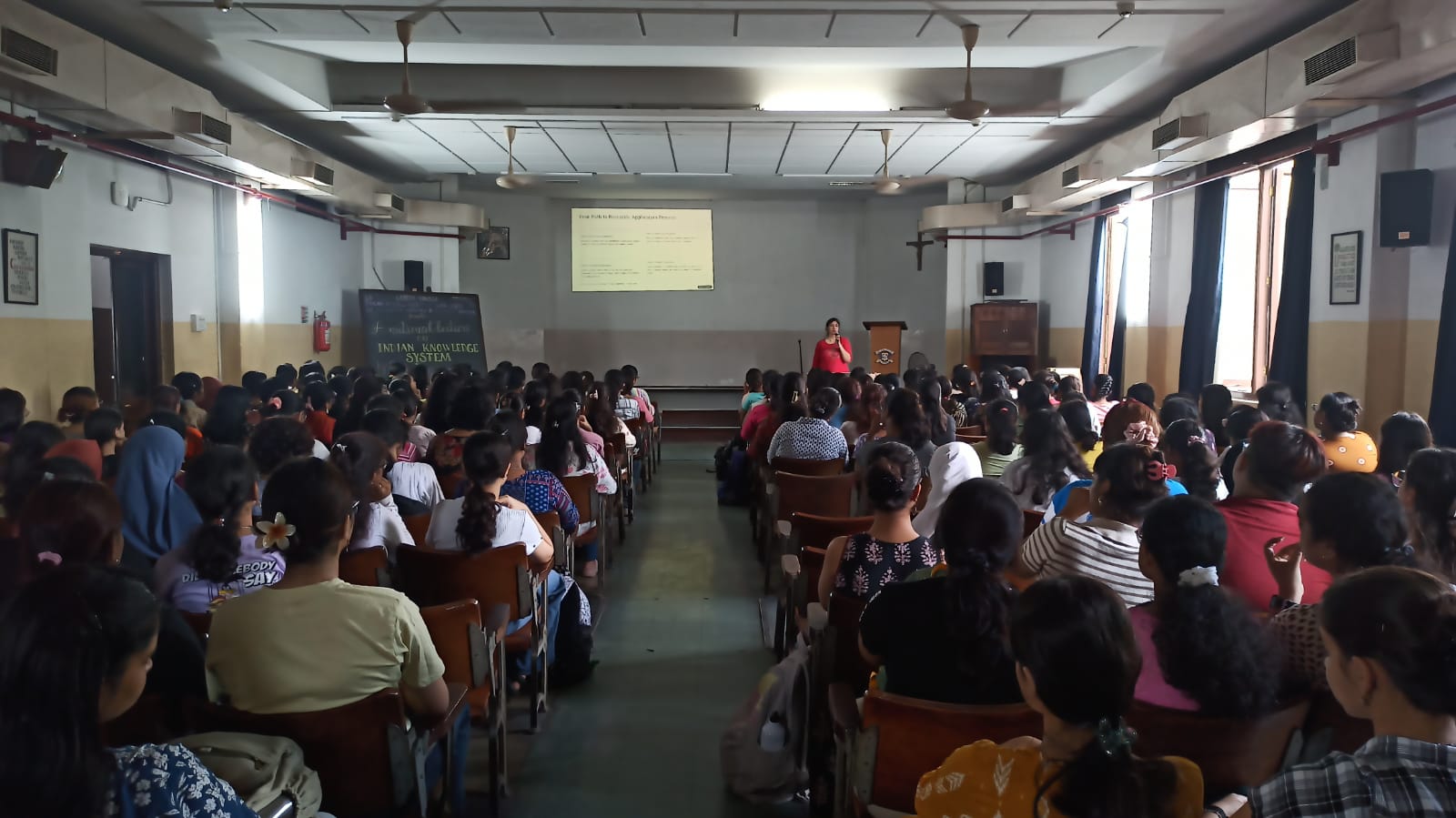
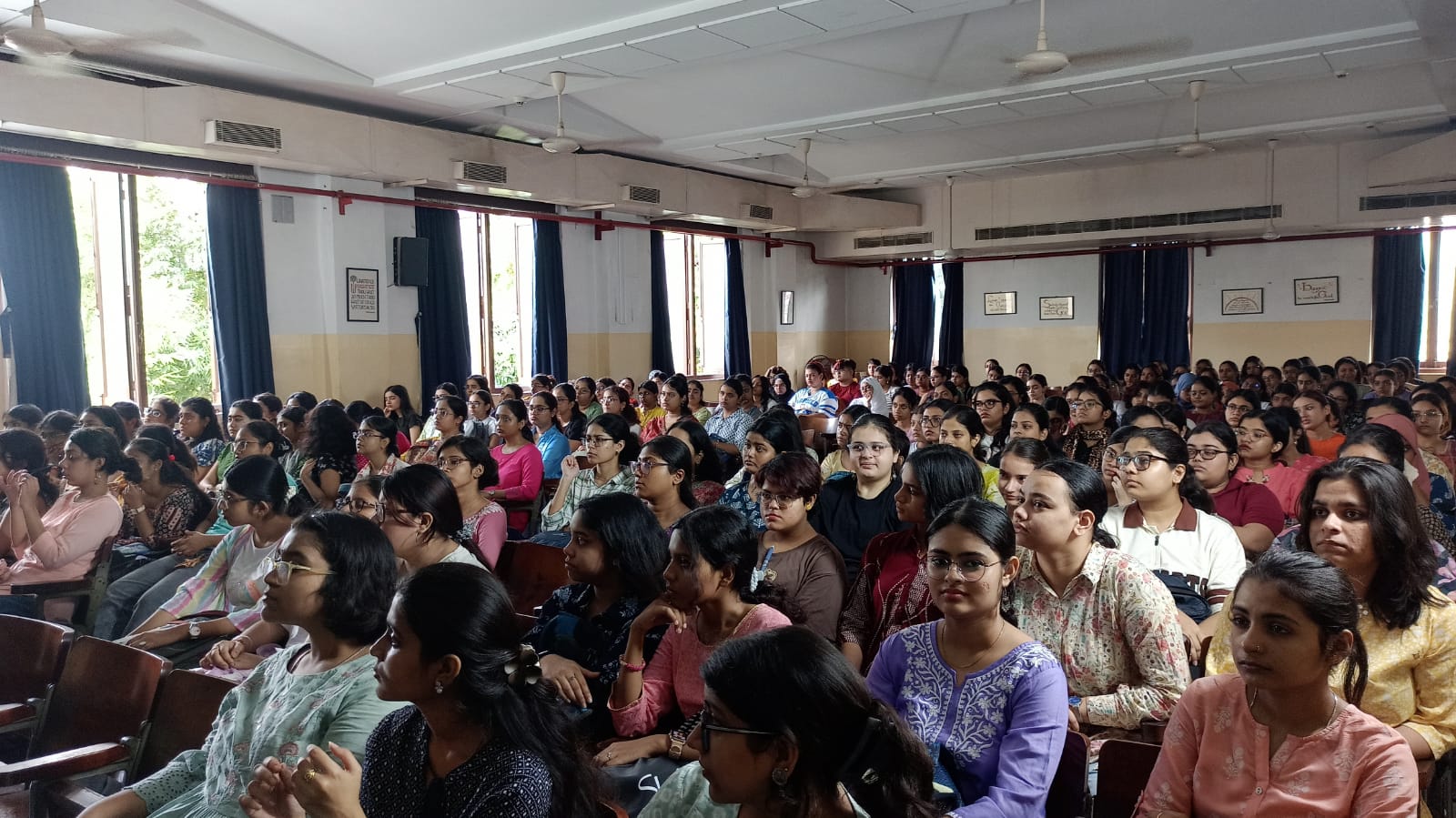
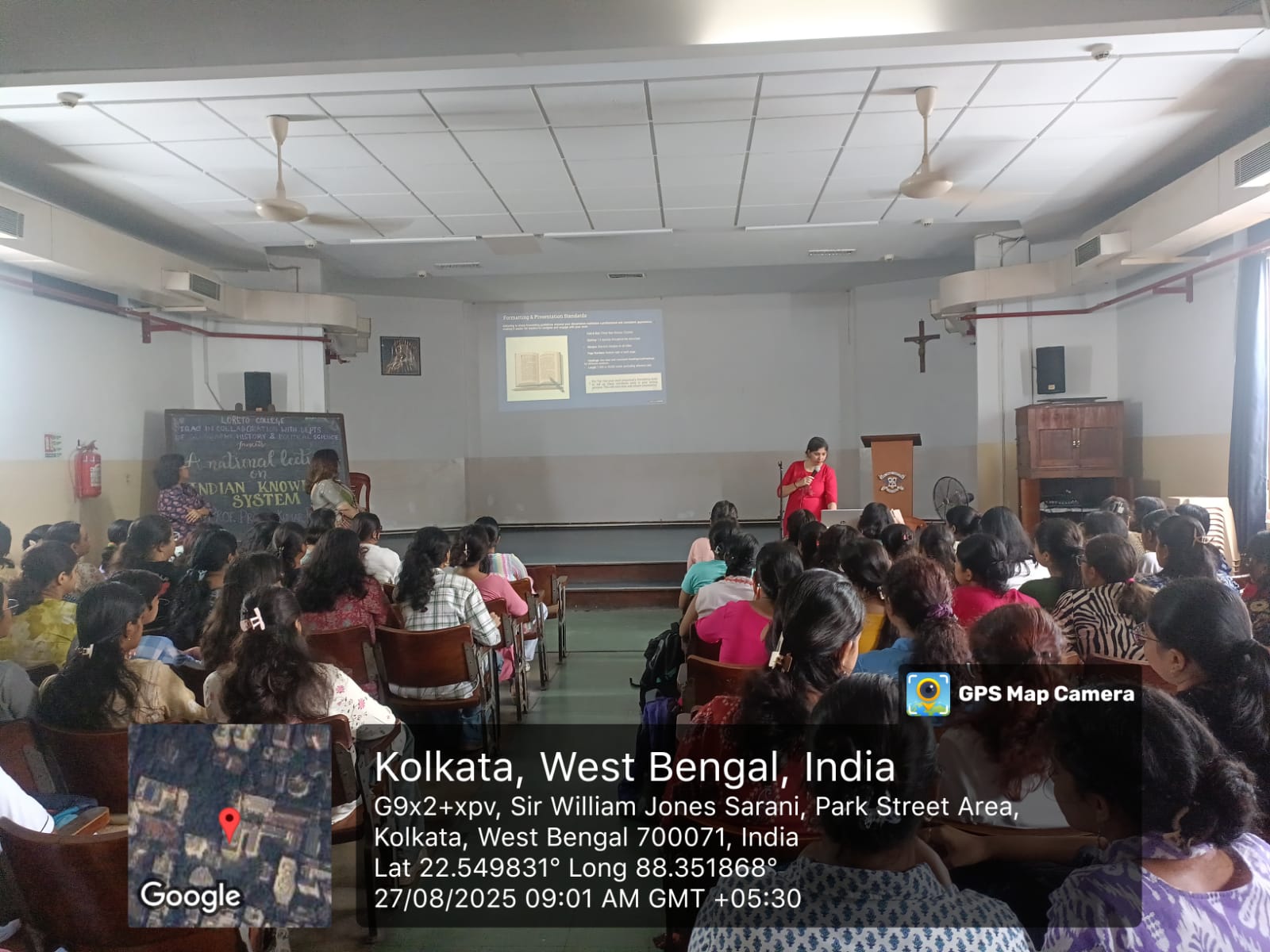
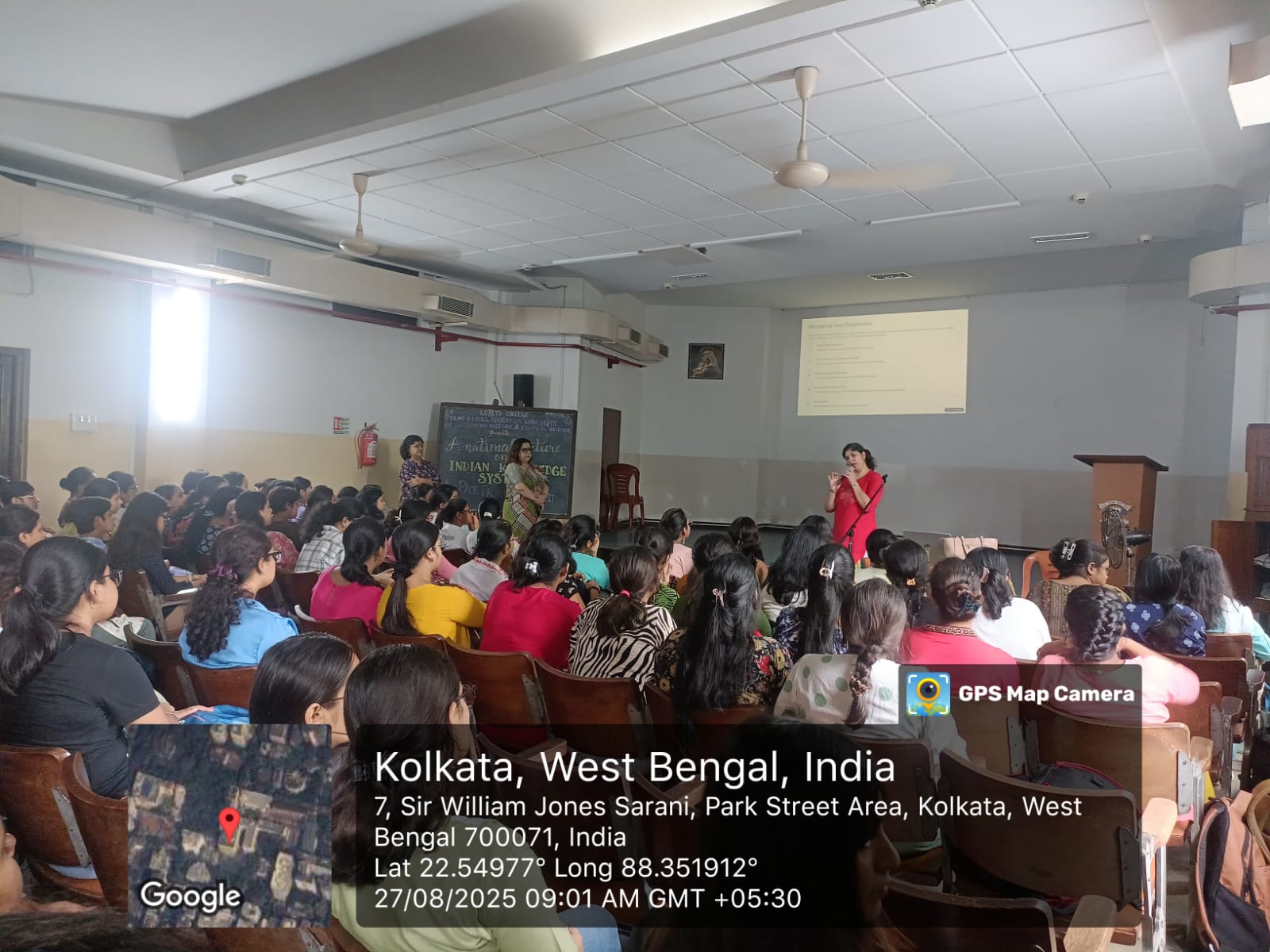
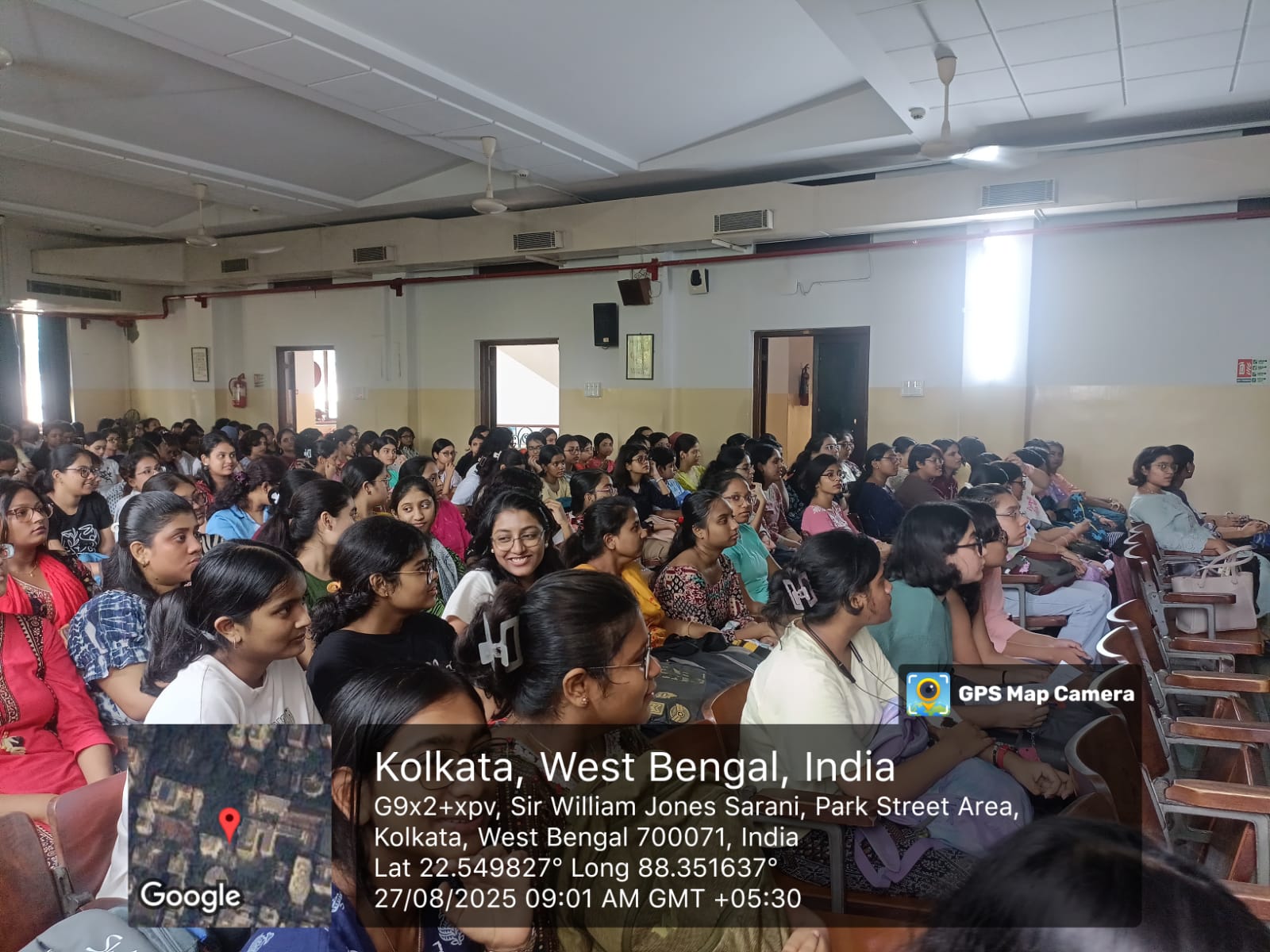
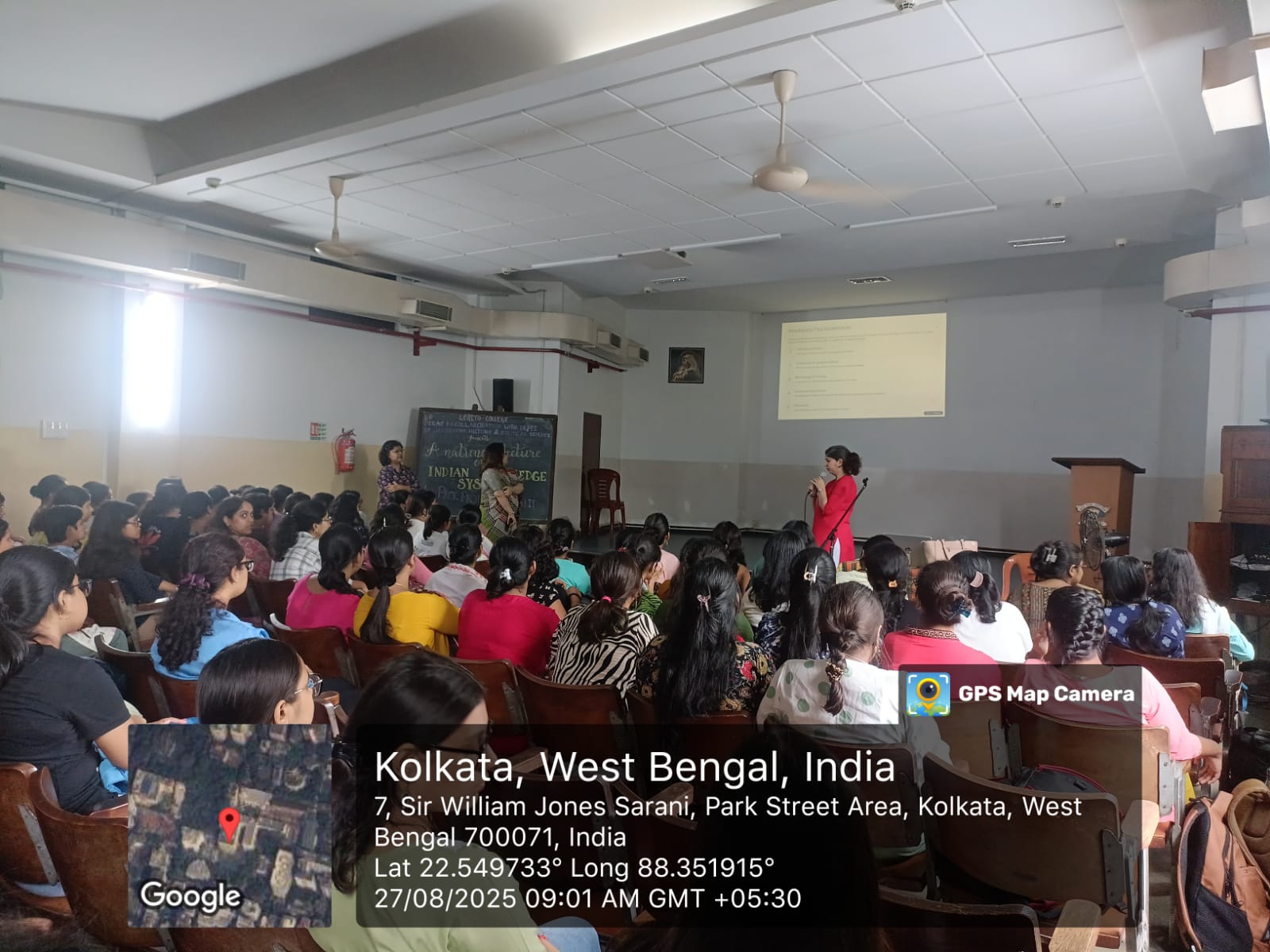
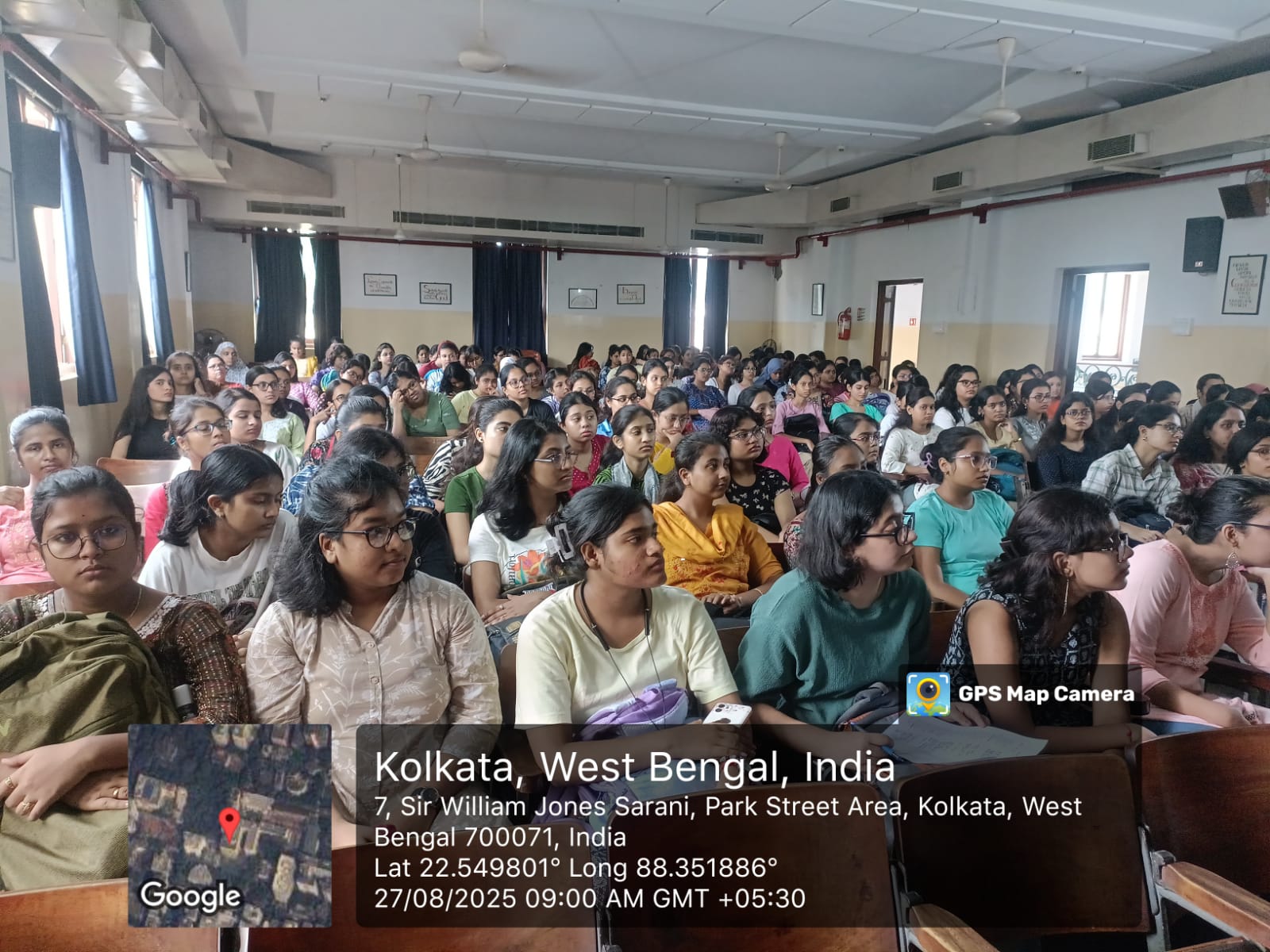
On August 27, 2025 as part of the Orientation Programme for Undergraduate Semester 1 students, Loreto College introduced the new batch to one of its most dynamic academic support units - the Research and Development Cell. The session was held from 8:30-9:15 am in the Auditorium. The session aimed to familiarize students with the purpose, scope, and opportunities offered by the Cell, which has played a pivotal role in nurturing a vibrant research culture within the college since its inception in 2013.
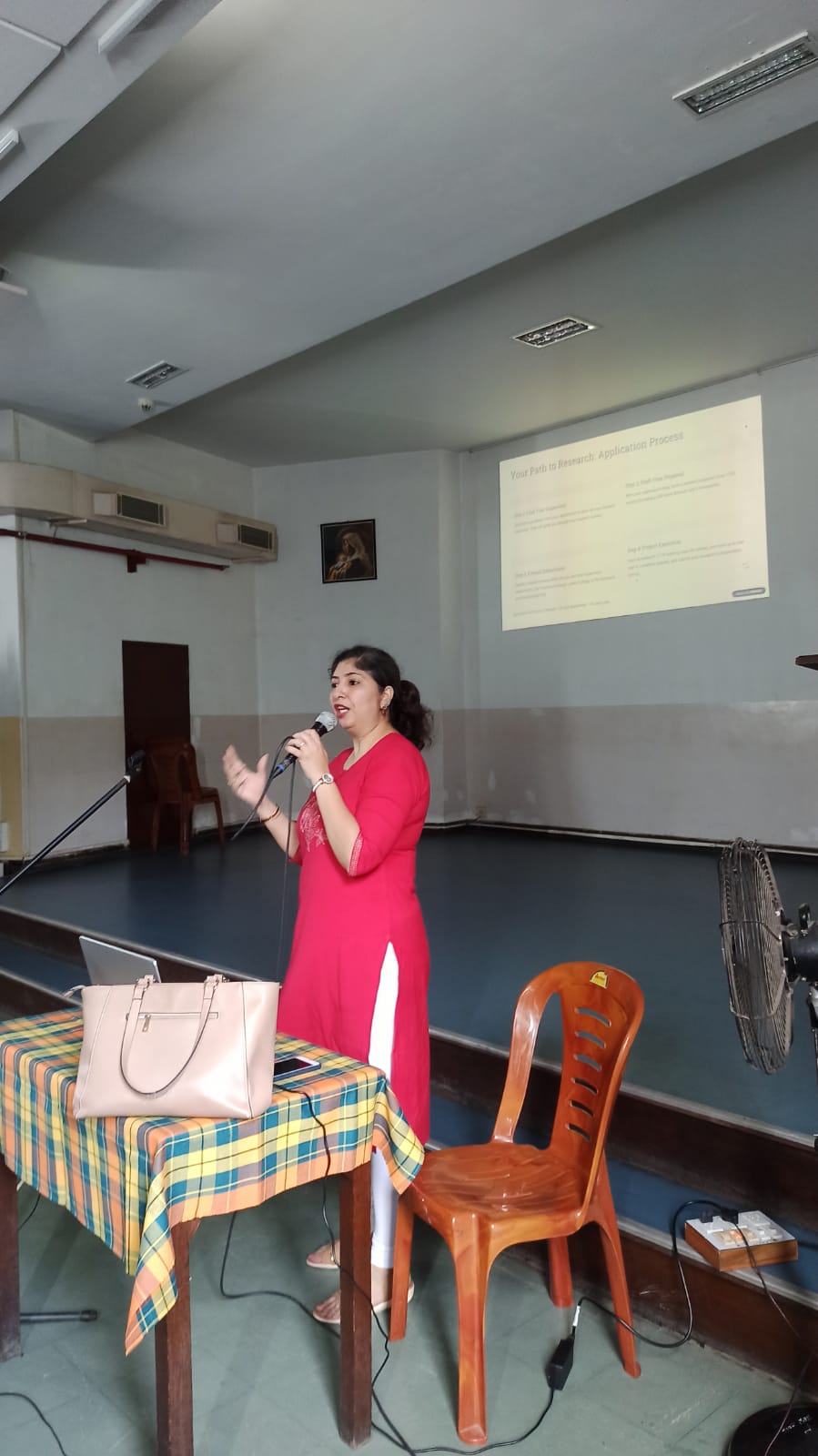
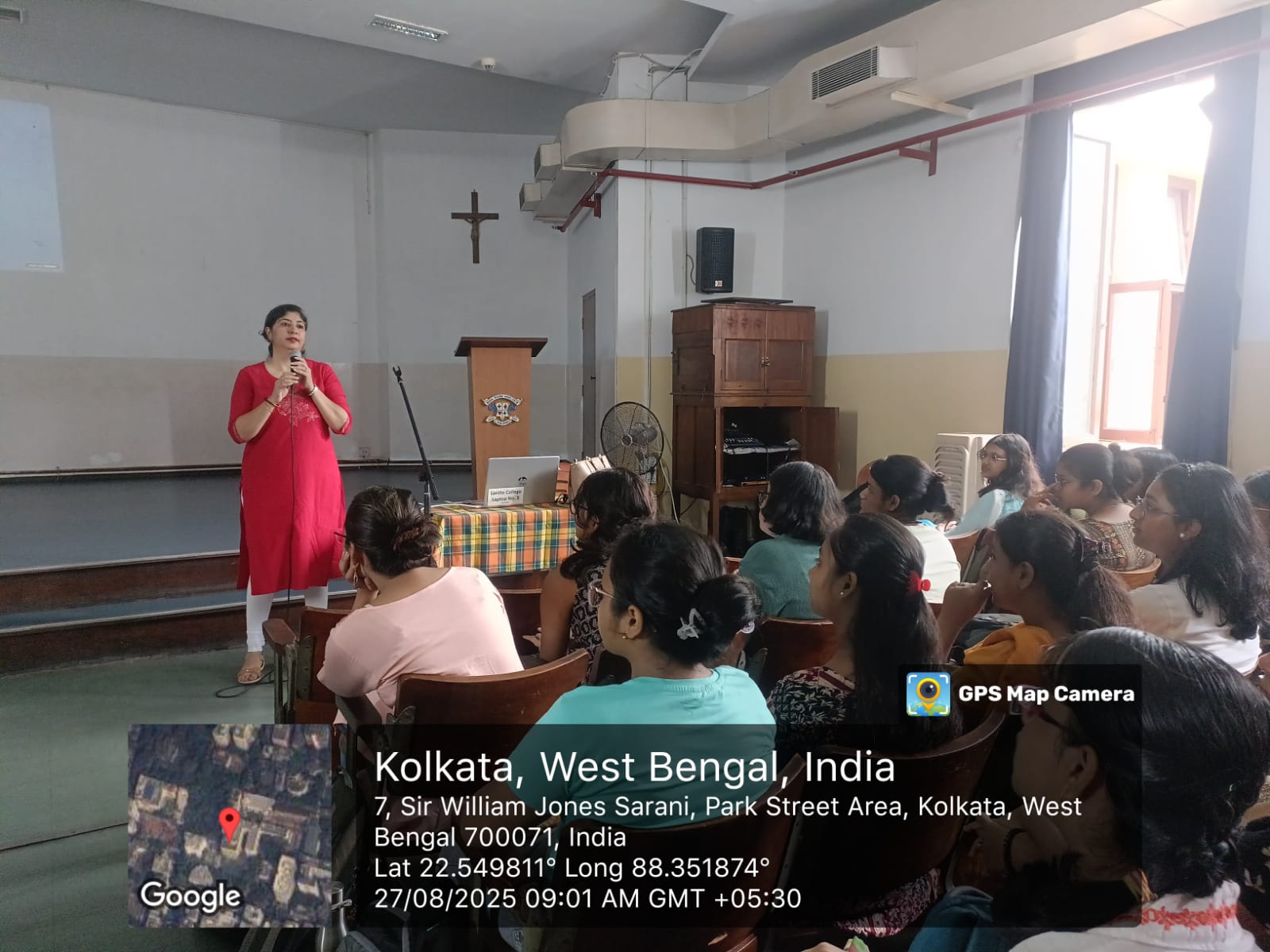
Dr. Dinaz R. Jeejeebhoy, Coordinator of the Research and Development Cell, along with other faculty members associated with the Cell, conducted the session. Students were introduced to the Cell's vision and objectives, which focus on promoting high-quality research among both faculty and students across disciplines. The Cell supports the development of research capabilities by facilitating mentorship, collaboration, and access to institutional resources. With an emphasis on interdisciplinary inquiry, the Cell seeks to empower students to explore complex issues and develop evidence-based solutions.
The orientation highlighted the core objectives of the Cell - including the promotion of a research-oriented academic environment, capacity building through workshops and training, and fostering innovation through interdisciplinary and collaborative research. A special emphasis was placed on ethical practices, academic integrity, and the importance of originality in research. The Cell also encourages community-based and socially impactful research, ensuring that the work undertaken resonates beyond the academic realm.
Students were taken through a step-by-step guide on how to apply for research opportunities. Interested students must approach a departmental professor to act as a supervisor, develop a detailed research proposal with an abstract, and submit it with a covering letter to the Research and Development Cell. Upon approval, the student is given a one-year timeframe to complete and submit the research dissertation.
The orientation also covered detailed submission guidelines, including dissertation structure, formatting, citation styles (with a preference for APA), and the requirement of a plagiarism check. A final Certificate of Completion is issued upon successful submission of the dissertation and accompanying documentation.
In addition to procedural insights, students were made aware of the learning objectives of participating in research through the Cell. These include developing key academic skills such as proposal writing, literature review, data analysis, academic publishing, and presentation. Outcomes of participation aim at equipping students with critical thinking, ethical research practices, teamwork, and professional communication skills.
The session concluded with an invitation to all students-regardless of discipline-to consider participating in research activities during their undergraduate journey. The faculty members reiterated that research is not just for postgraduates or professionals, but a vital tool for developing inquiry, analytical, and problem-solving skills from the outset of academic life.




 ANNOUNCEMENTS