Future Fit: Quantitative Aptitude Workshop
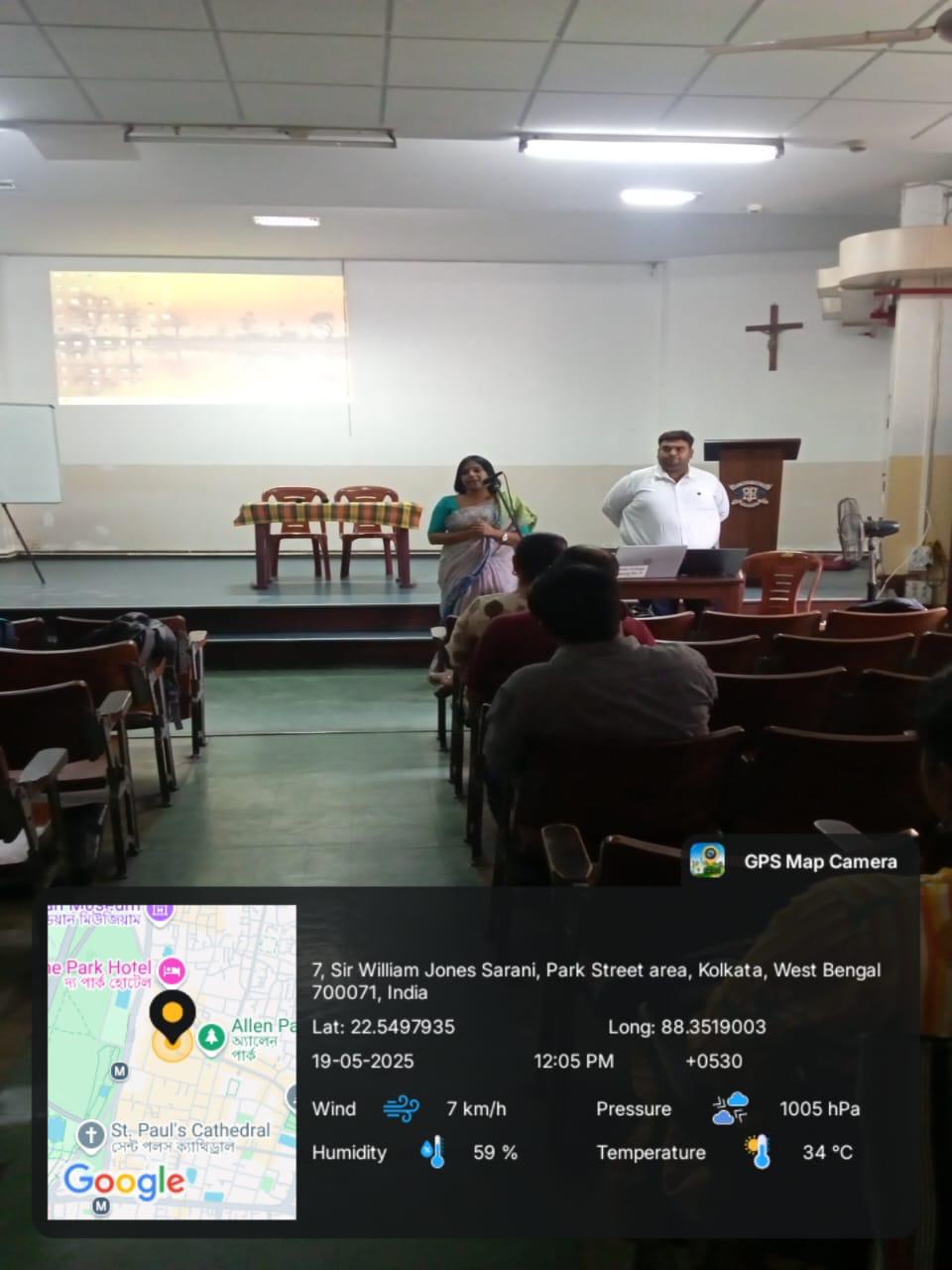
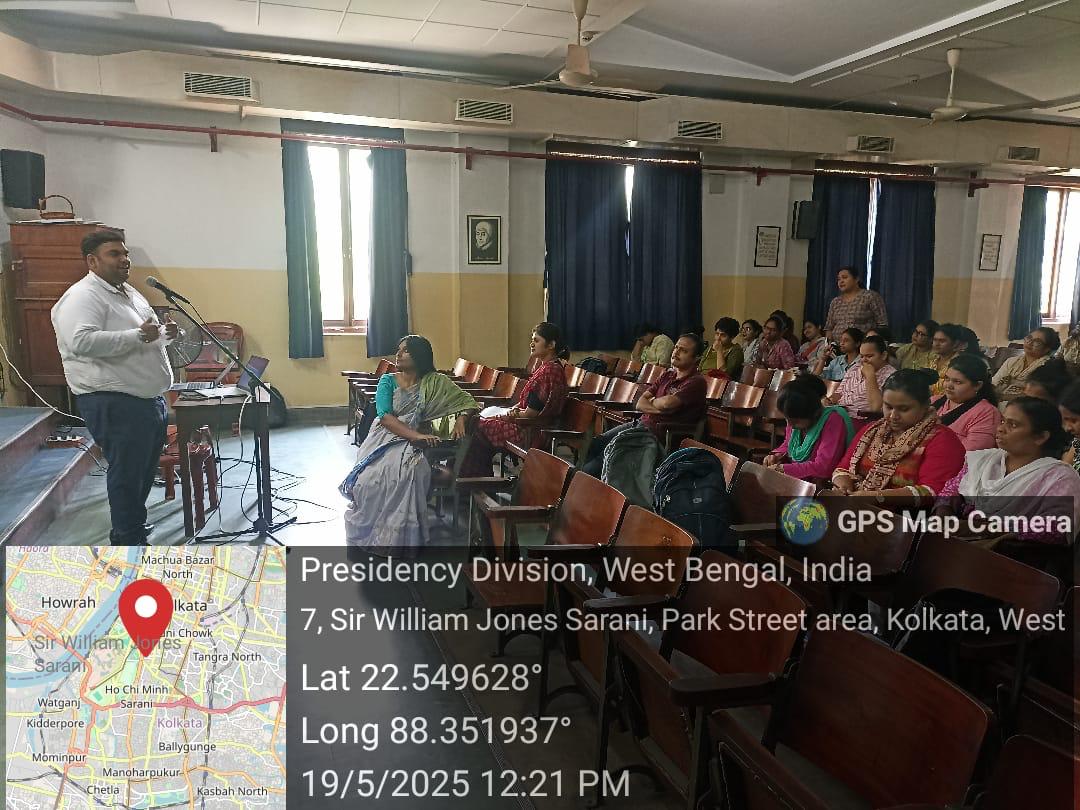
The Loreto College Life Skills Committee organized a one-day workshop titled 'Future Fit: Quantitative Aptitude Workshop' on 19th May 2025, from 12:00 PM to 2:30 PM, featuring Mr. Vivek Patwari, Assistant Professor at The Bhawanipur Education Society, as the resource person. This initiative was part of the institution’s broader vision to equip students with critical life skills necessary for navigating both academic and professional landscapes. Quantitative aptitude, being an essential component of numerous competitive exams and recruitment processes, was the focal point of the session. The workshop aimed to introduce students to core topics in quantitative reasoning such as percentages, profit and loss, time and work, averages, number series, simplification, and data interpretation. Mr. Patwari, known for his engaging teaching style and deep understanding of competitive exam patterns, began by contextualizing the relevance of quantitative aptitude in everyday problem-solving and career readiness. The session was designed to be interactive, with a balance of conceptual explanations, practical demonstrations, and hands-on problem-solving exercises. Emphasis was laid on time-saving strategies, logical shortcuts, pattern recognition, and managing trick questions in multiple-choice formats. Students were encouraged to actively participate, and the workshop featured real-time practice problems, peer discussion, and detailed solution walkthroughs. Mr. Patwari's approachable demeanor and effective communication created a learning environment where students felt comfortable asking questions and clarifying doubts. Many participants shared that they had previously perceived aptitude as a barrier but were now motivated to engage with it more confidently and systematically. The event witnessed participation from students across multiple disciplines, reflecting the interdisciplinary relevance of the skill. Student feedback collected post-session highlighted appreciation for the session’s clarity, structure, and practical value. Learners reported enhanced confidence, improved speed and accuracy in solving numerical problems, and a clearer understanding of how to approach aptitude questions under exam conditions. The workshop fulfilled its core objectives: it built foundational knowledge, introduced tactical approaches to problem-solving, and instilled a sense of preparedness among students gearing up for various competitive assessments. One of the key takeaways was that quantitative aptitude is not merely a test requirement but a transferable skill that cultivates logical reasoning, attention to detail, and efficient decision-making—traits invaluable across career fields. The success of the workshop points to the need for more such sessions, potentially structured as a series, with increasing complexity and inclusion of mock test simulations. Future recommendations include the provision of practice material, access to video recordings for revision, and the issuance of participation certificates. Overall, the 'Future Fit: Quantitative Aptitude Workshop' was a timely and well-received initiative that resonated with students’ academic needs and professional aspirations, reaffirming the institution’s commitment to holistic education and empowering learners with tools for lifelong success.




 ANNOUNCEMENTS