Coping with Stress and Professional Relationships at the Workplace
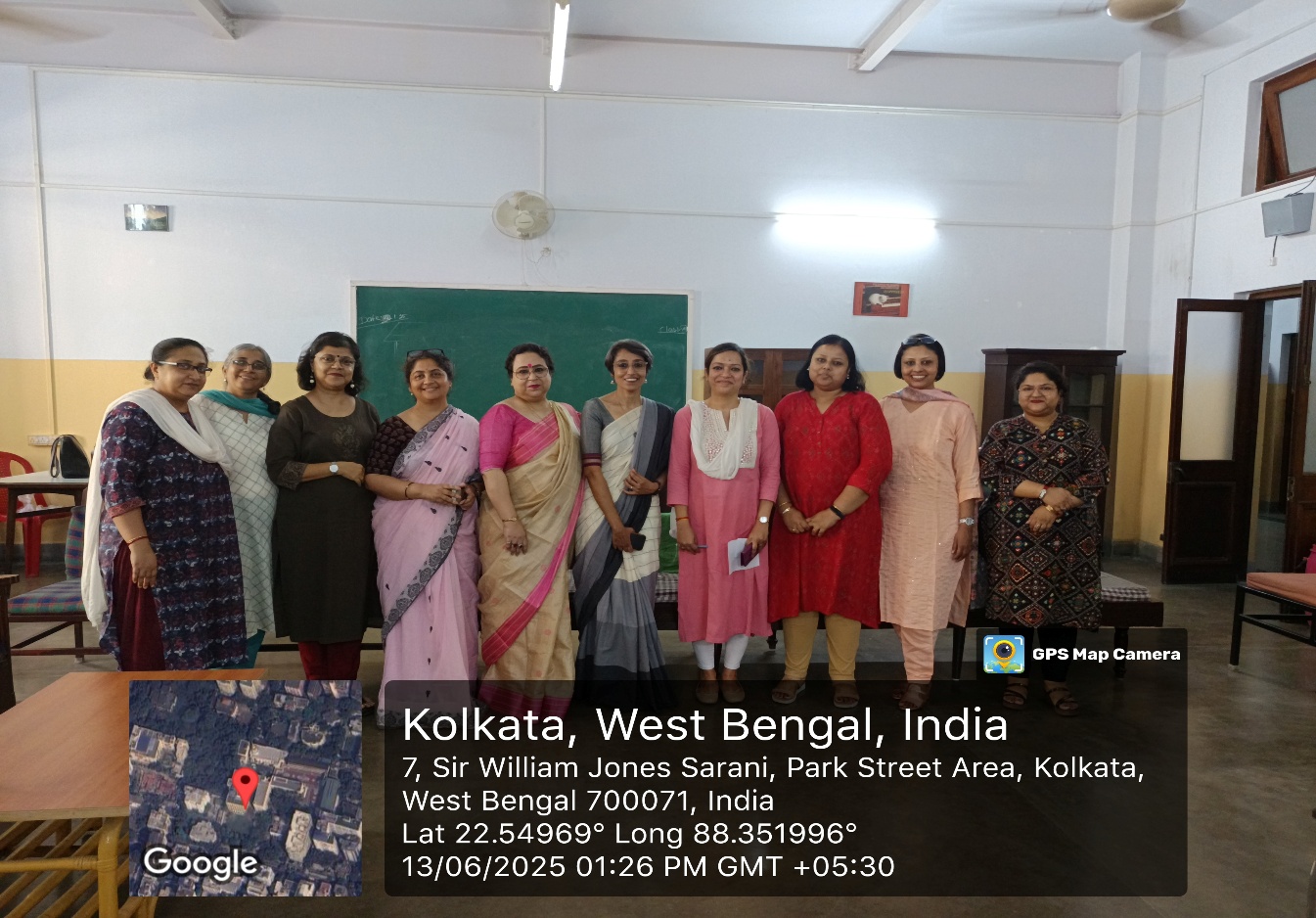
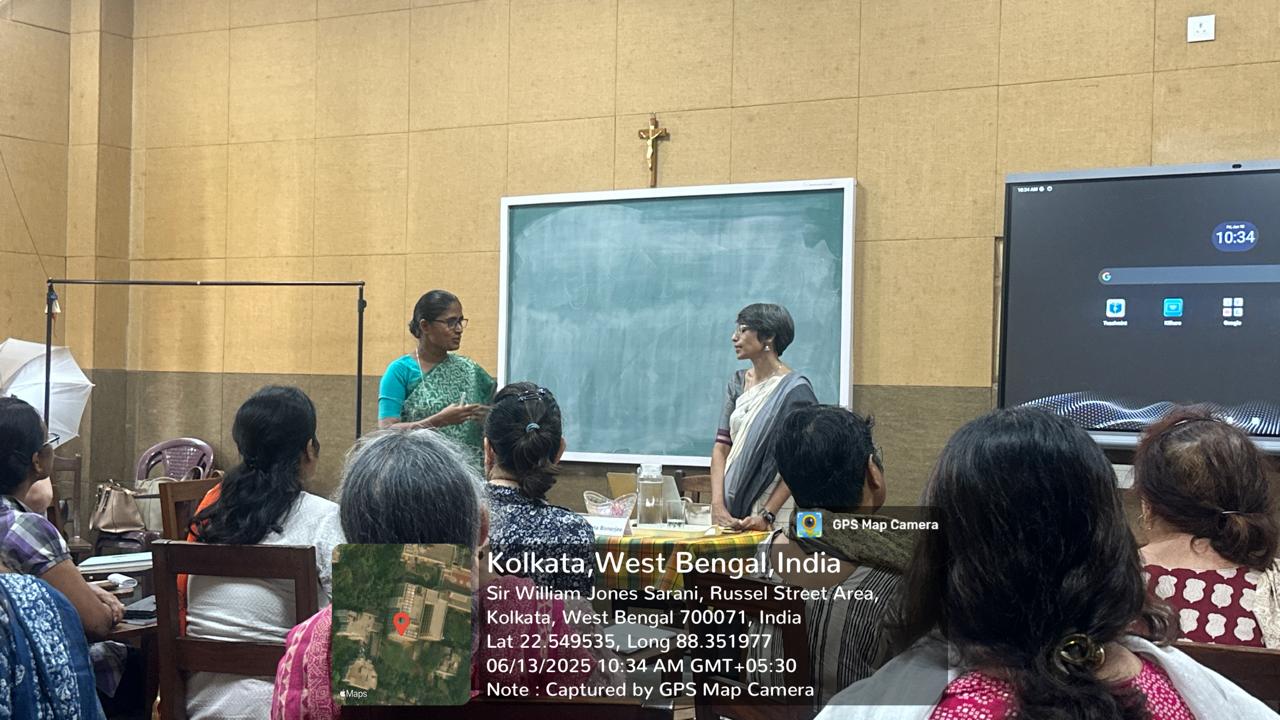
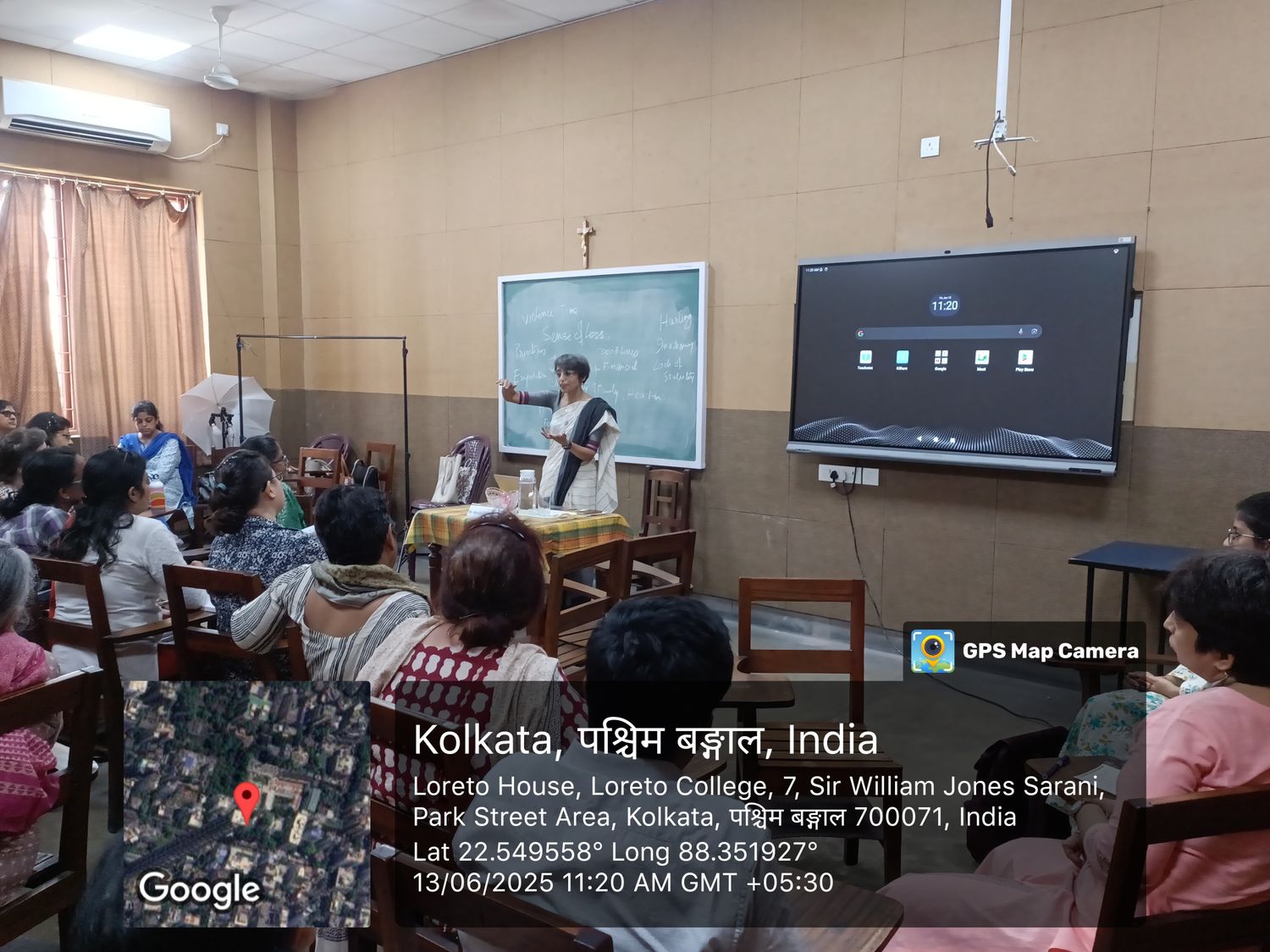
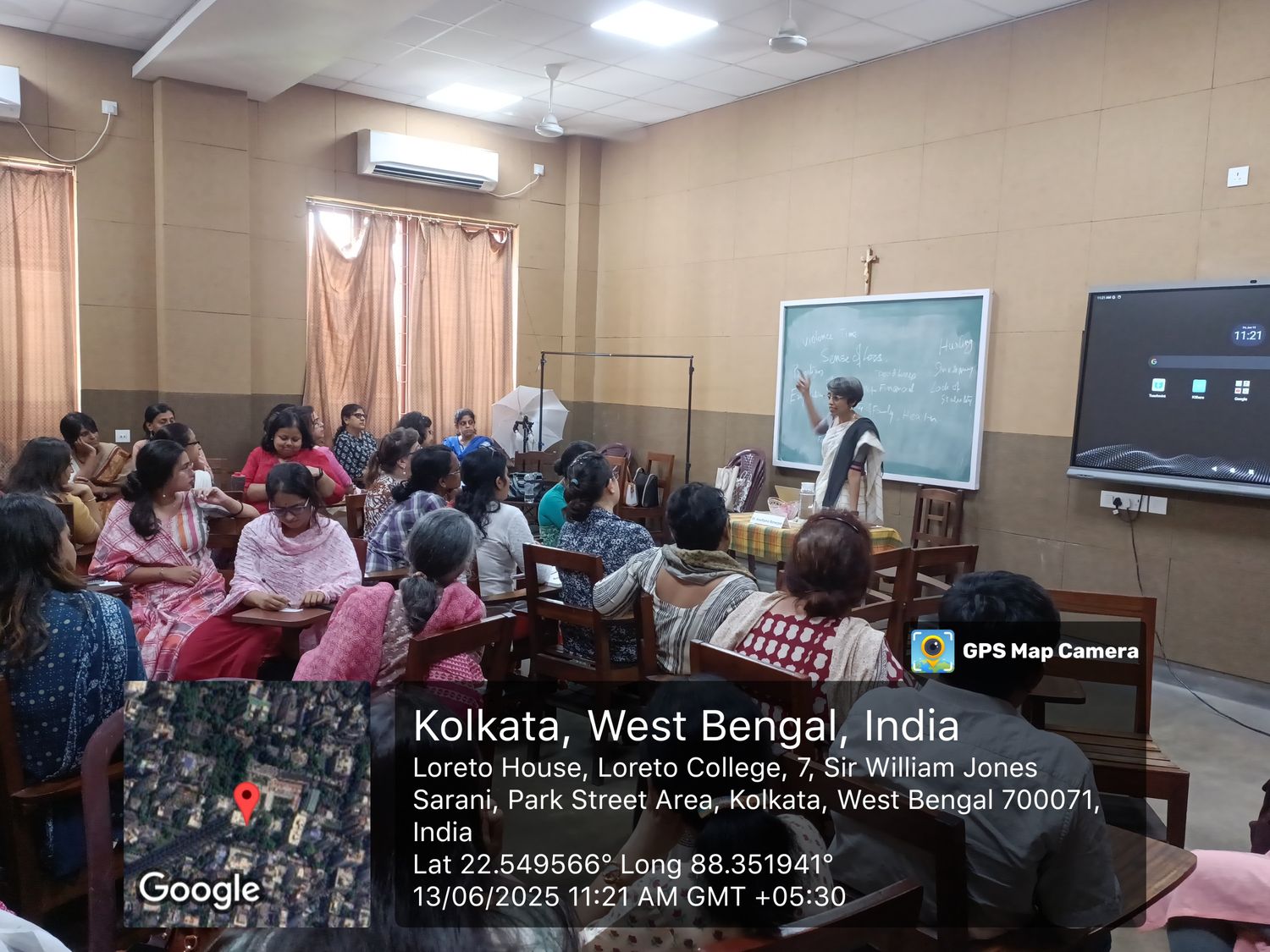
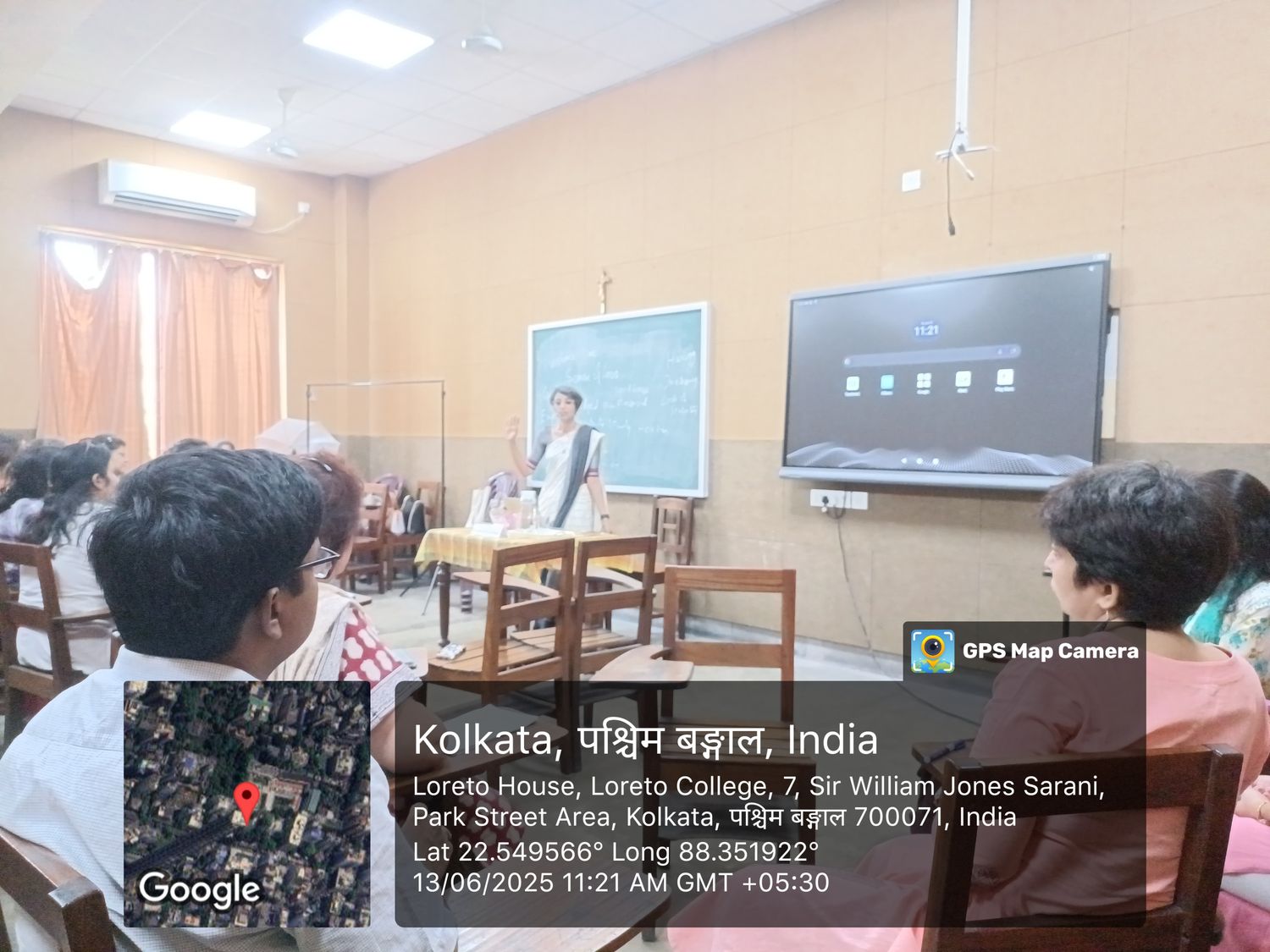
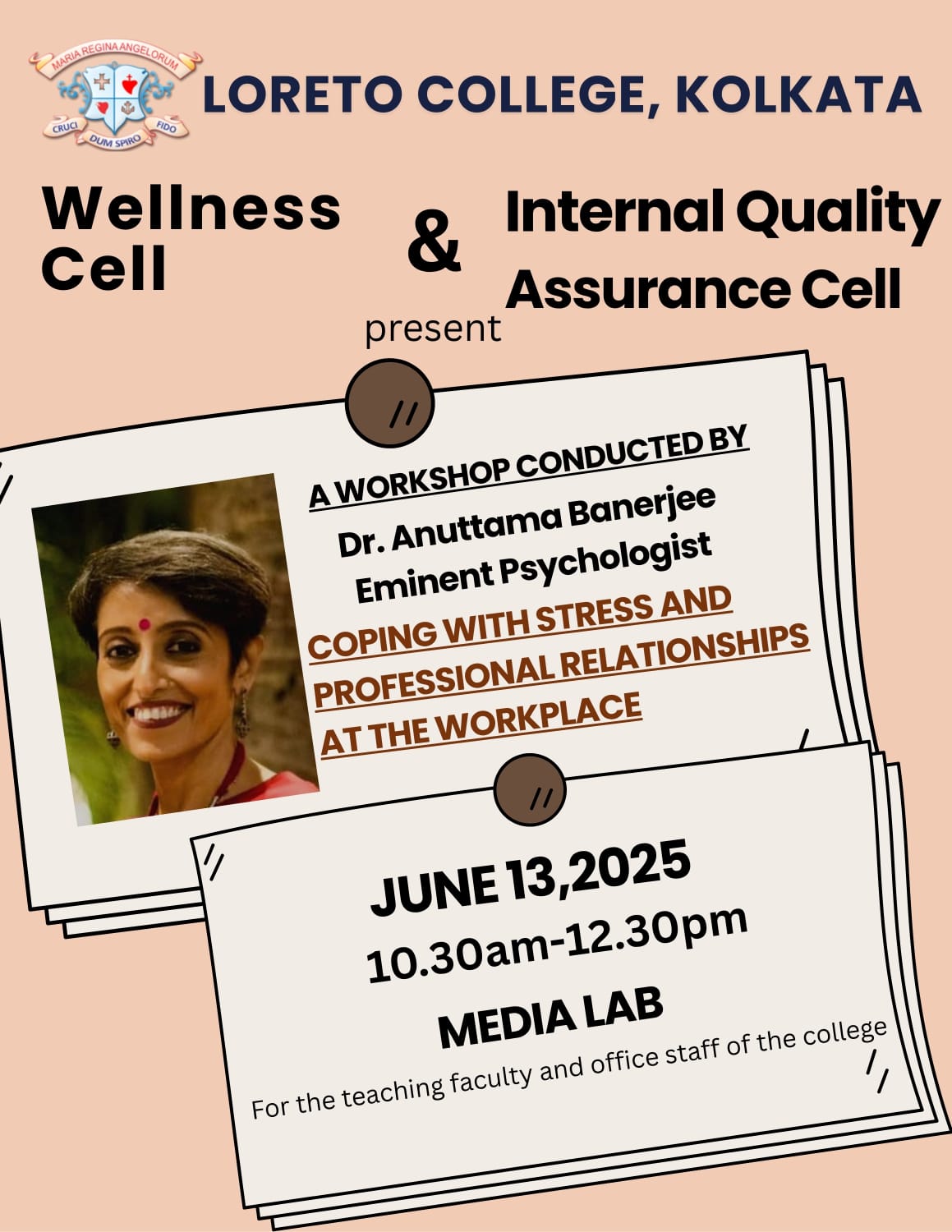
A workshop titled "Coping with Stress and Professional Relationships at the Workplace" was organized by the Wellness Cell of Loreto College in collaboration with the Internal Quality Assurance Cell (IQAC). The session was conducted by Dr. Anuttama Banerjee, an eminent psychologist.
The session began with a reflective exercise where participants were encouraged to identify and write down their core fears-at home, in the workplace, and in other domains of life. This activity set the tone for introspection and allowed participants to connect with their emotional experiences. Dr. Banerjee termed the session as experiential learning, encouraging participants to engage deeply with their own experiences and emotions.
She spoke about the importance of space in our personal and professional lives-how stress tends to increase when space, whether mental, emotional, or physical, is reduced.
Dr. Banerjee emphasized that although individuals may experience different manifestations of fear, they often stem from the same fundamental fears related to survival-such as fear of failure, rejection, or loss of control. Recognizing these commonalities, she encouraged the participants to view their fears with greater compassion and awareness.
The session moved on to explore key strategies for managing stress both at work and at home. Among the most important strategies discussed were:
1.Assertiveness: Dr. Banerjee highlighted the importance of expressing one's thoughts, needs, and priorities clearly and respectfully, without harming or disregarding others. Assertiveness, she explained, is crucial in maintaining healthy professional and personal relationships.
2.Prioritization: She encouraged participants to ask themselves, "What happens if I am unable to do this today?"-a powerful question that helps reduce unnecessary pressure. She also emphasized the importance of not imposing the same expectations on others, recognizing that everyone operates under different capacities and challenges.
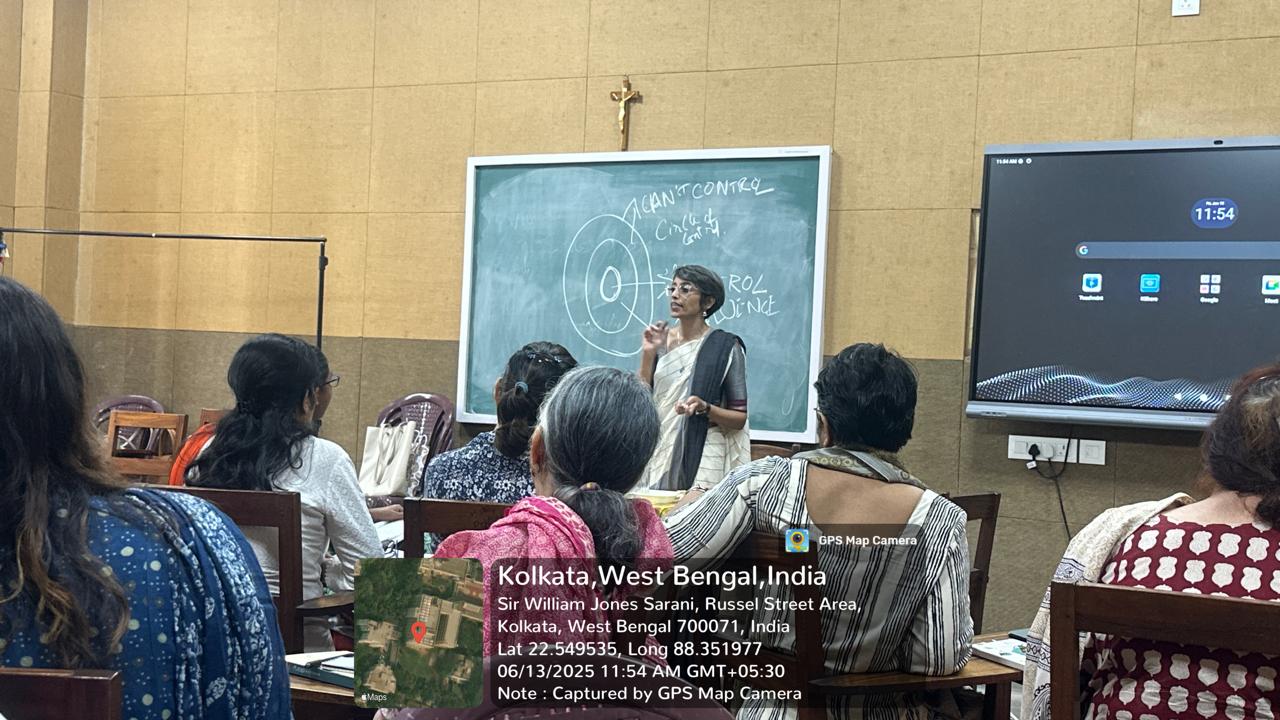
3.The Circle of Control: Dr. Banerjee introduced a practical model for managing stress-the circle of control, consisting of three layers:
The innermost circle includes things we can directly control (our thoughts, actions, and responses).
The middle circle represents aspects we can influence but not fully control (others' behavior, workplace dynamics).
The outermost circle comprises things beyond our control (societal changes, past events, external opinions).
She encouraged participants to focus their energy on the innermost circle to reduce stress and gain a sense of empowerment.
The session concluded with an engaging discussion, where participants shared personal insights and feedback. A key takeaway was her suggestion to adopt empathy circles-a simple yet powerful practice that can help individuals listen, share, and grow together in a safe and respectful environment.
The workshop was highly interactive, informative, and deeply impactful, providing practical tools and perspectives to enhance emotional well-being and professional relationships.
This initiative by the Wellness Cell and IQAC of Loreto College was a commendable step toward fostering a more mentally healthy and supportive campus environment.
Objectives of the Workshop:
The participants would be able to:
a. Identify key stressors at workplace
b. discuss and analyze causes and effects of stress at workplace
c. find out meaningful ways of coping with stress
d. understand the significance of peace and cooperation in shaping relationships at workplace.
General Outcomes:
Promoted emotional well-being and interpersonal understanding among staff.
Facilitated a reflective and supportive dialogue around workplace stress.
Encouraged collaborative thinking and empathy across departments.
Specific Outcomes:
Helped participants recognise the role of personal space in managing stress.
Addressed common fears that affect professional and personal self-worth.
Introduced empathy circles as a structured tool to promote active listening, emotional safety, and collective growth within the workplace.




 ANNOUNCEMENTS