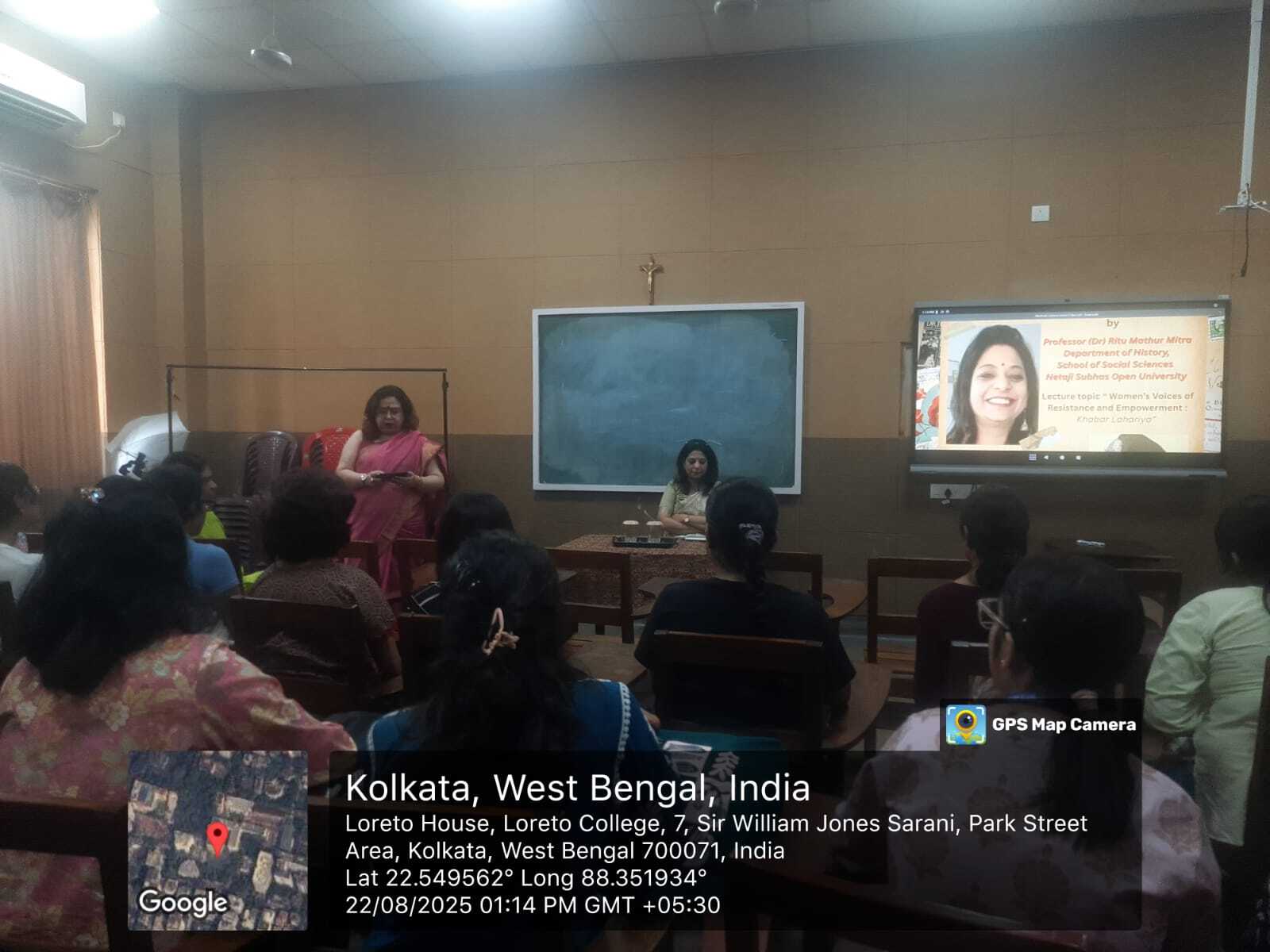
Alumnae Lecture Series 2 by Professor (Dr) Ritu Mathur Mitra on "Women's Voices of Resistance and Empowerment: Khabar Lahariya"
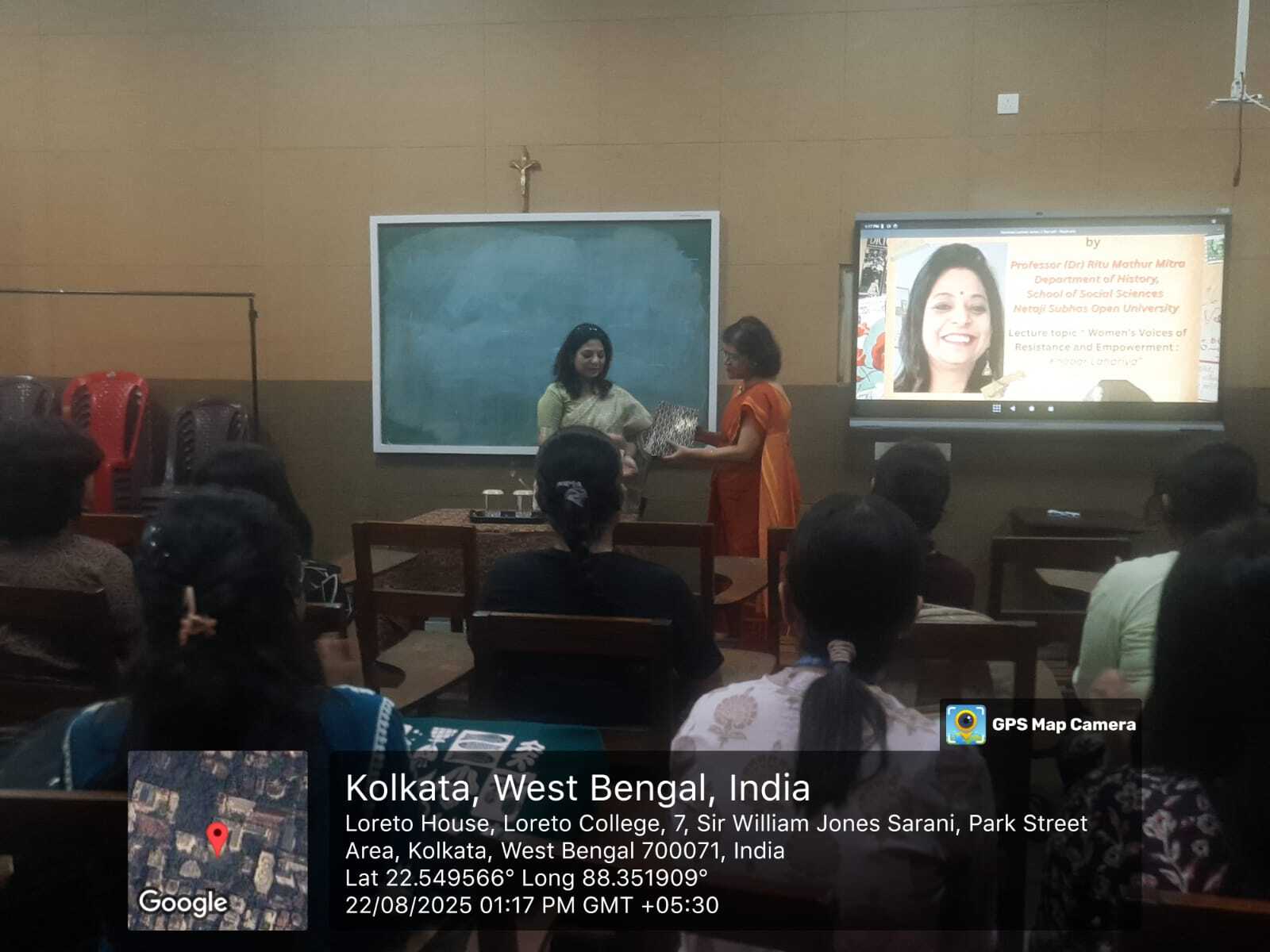
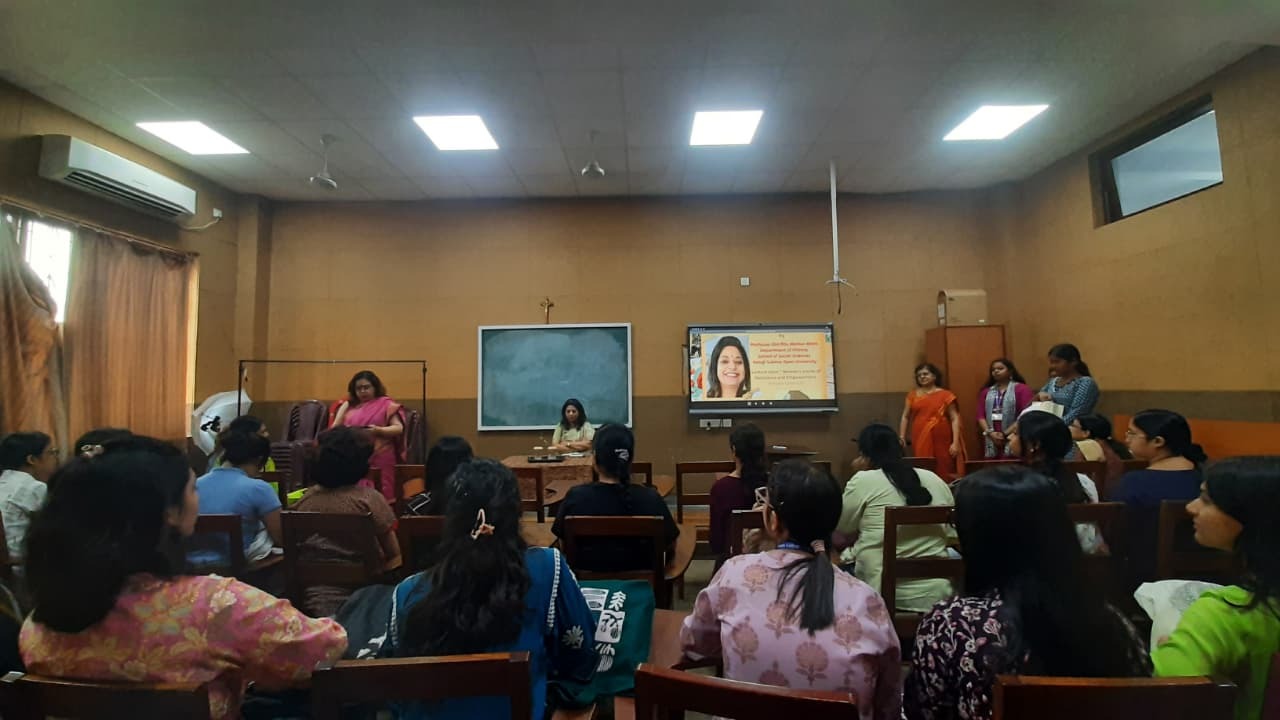
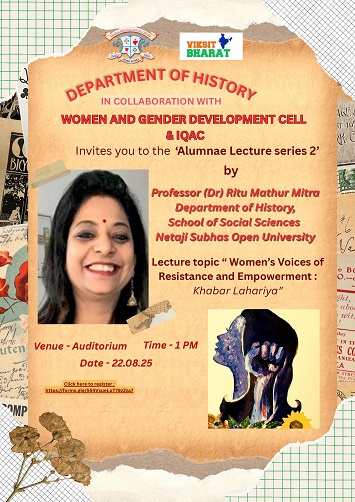
On 22nd August 2025, the Department of History, Loreto College, in collaboration with the Women and Gender Development Cell and IQAC, hosted the second session of the Alumnae Lecture Series. The invited speaker was Professor (Dr) Ritu Mathur Mitra from the Department of History, School of Social Sciences, Netaji Subhas Open University. She delivered a powerful and thought-provoking lecture on "Women's Voices of Resistance and Empowerment: Khabar Lahariya."
The programme began with a warm welcome and a formal introduction of Professor Mitra by Dr Anindita Bandyopadhyay. A token of appreciation was presented, and in return, Professor Mitra gifted candles to the College, remarking that Loreto was the place where she had first discovered her spark as a scholar. The candles, she explained, symbolized the light of learning and empowerment that Loreto continues to nurture.
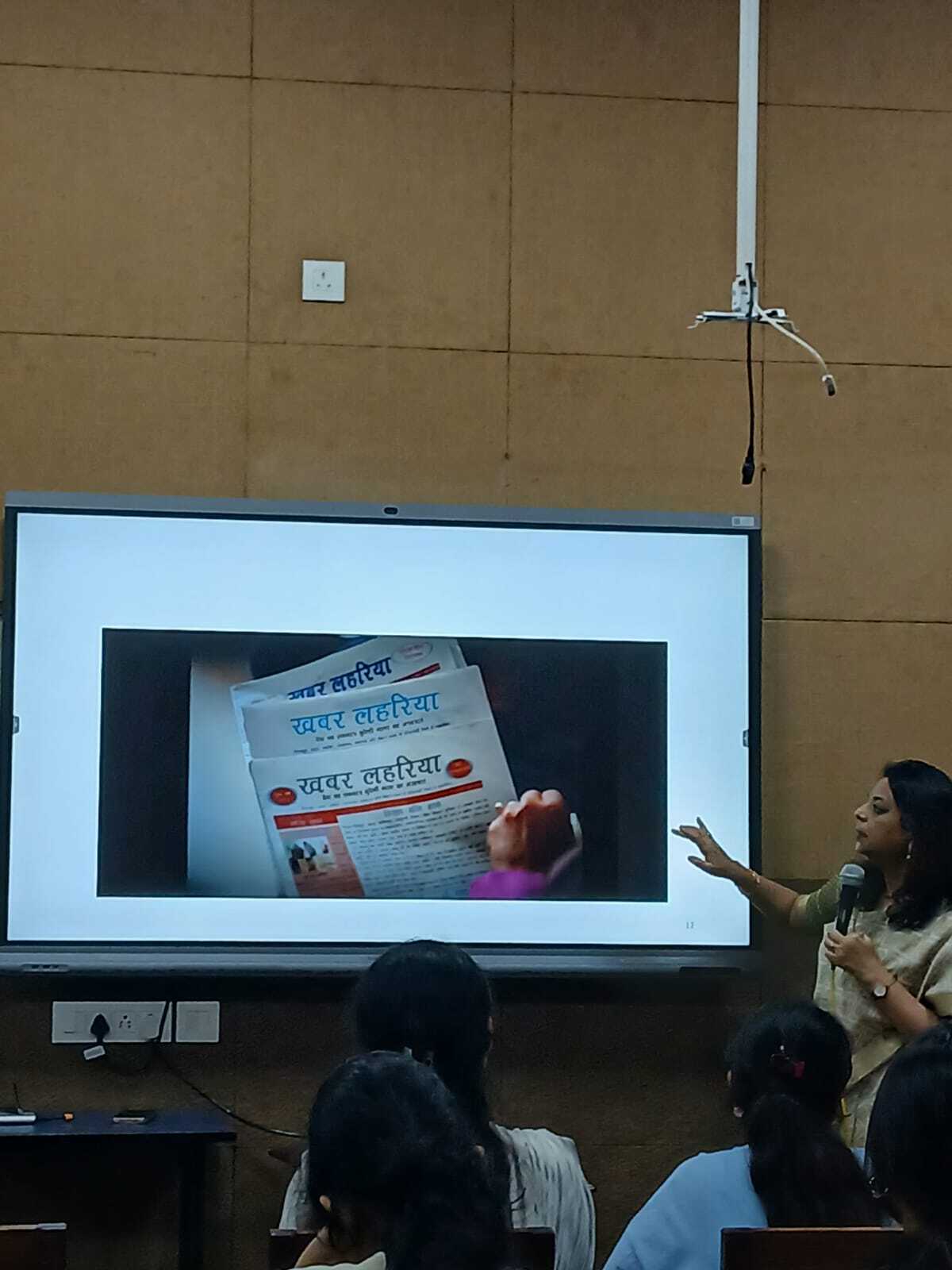
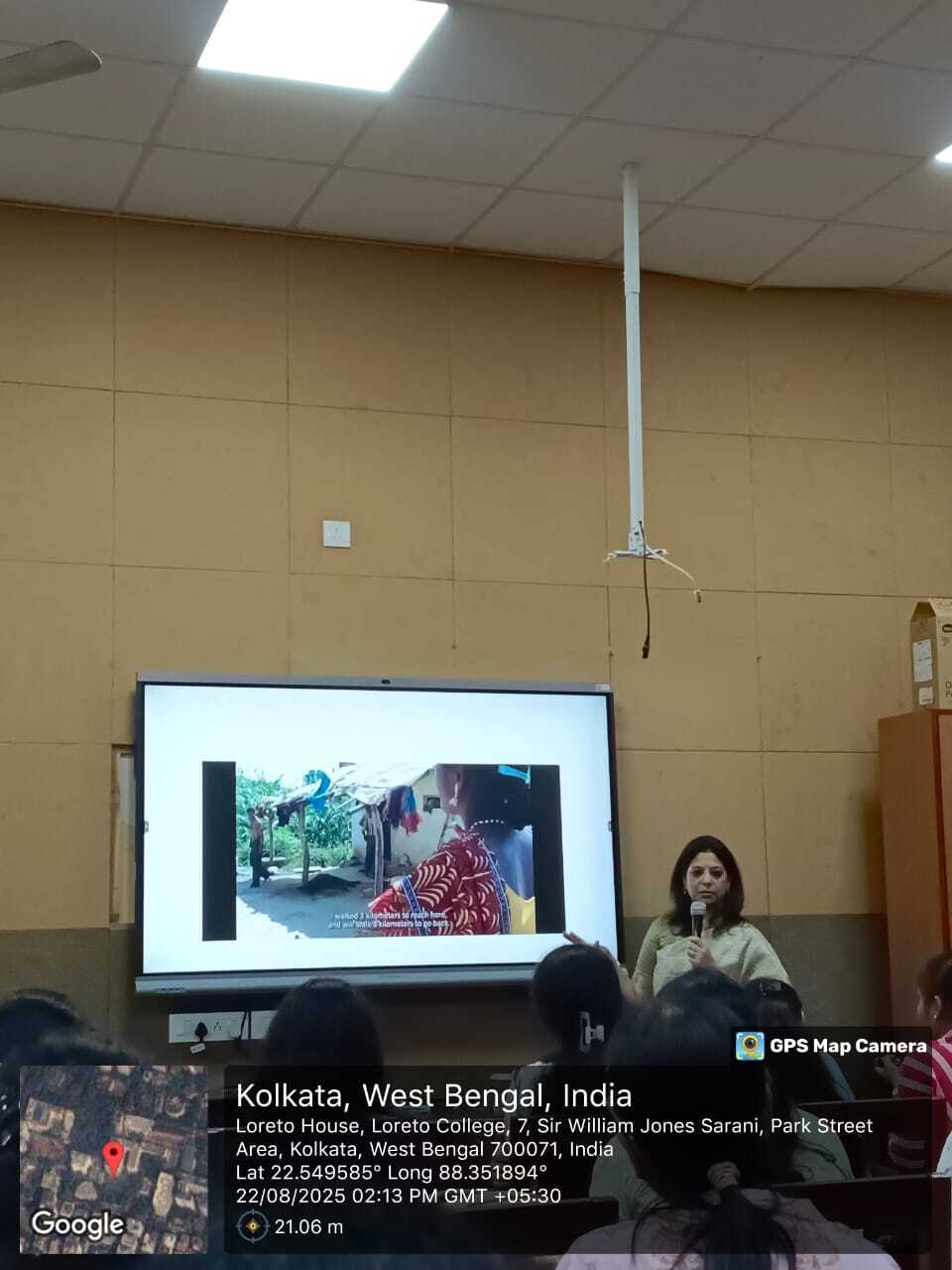
In her lecture, Professor Mitra offered a rich exploration of Khabar Lahariya, a pioneering rural, women-led news collective founded in 2002 by Meera Jatav, Shalini Joshi, and Kavita Bundelkhandi. What began as a small initiative grew into an award-winning platform that amplifies the voices of women, Dalits, and marginalized communities in Uttar Pradesh, Bihar and Madhya Pradesh. She emphasized the uniqueness of Khabar Lahariya's grassroots approach, where women from disadvantaged backgrounds-often first-generation learners with no formal training-took up journalism to expose systemic injustice and advocate for change.
Professor Mitra recounted their struggles: resisting family pressures, defying caste prejudices, and facing political hostility, all while reporting on issues vital to their communities. Their decision to publish in regional dialects such as Bundeli, Awadhi, and Bhojpuri reflected their commitment to accessibility and authenticity, ensuring that their work remained rooted in local realities.
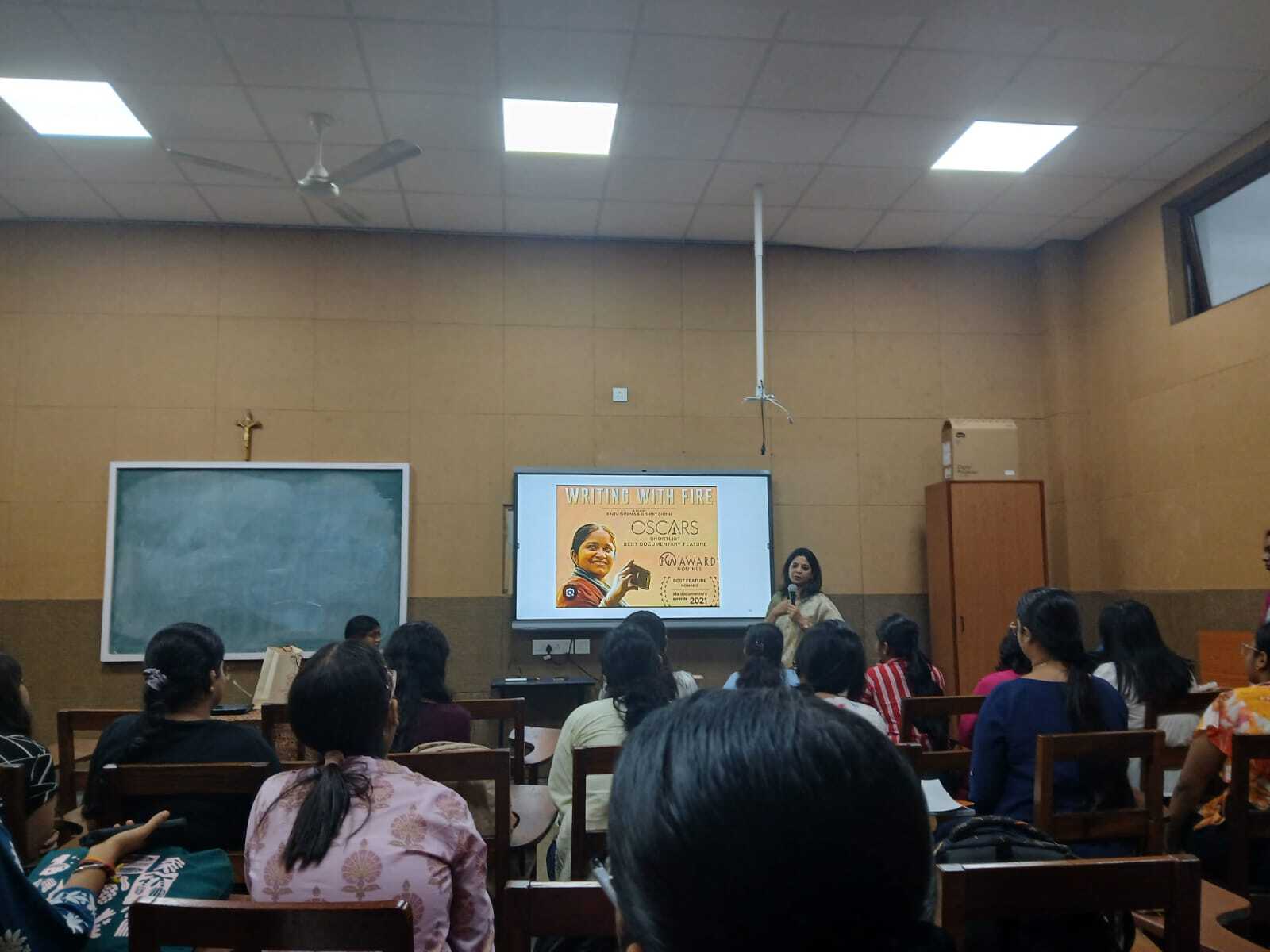
The lecture shed light on the wide range of issues Khabar Lahariya covers-corruption in local governance, gender-based violence, caste oppression, environmental challenges, and the everyday struggles of rural life. Unlike mainstream media, which often sidelines such concerns, their reporting brings marginalized voices to the forefront. Professor Mitra also spoke about the support provided by initiatives like the Udaan Fellowship, the recognition the collective has earned both nationally and internationally, and the acclaim generated by the documentary Writing with Fire, which brought their story to a global stage.
At the same time, she did not shy away from mentioning the challenges of representation. She explained how the women journalists themselves rejected portrayals that framed them as anti-establishment, clarifying that their mission was always rooted in truth, accountability, and justice rather than partisan politics.
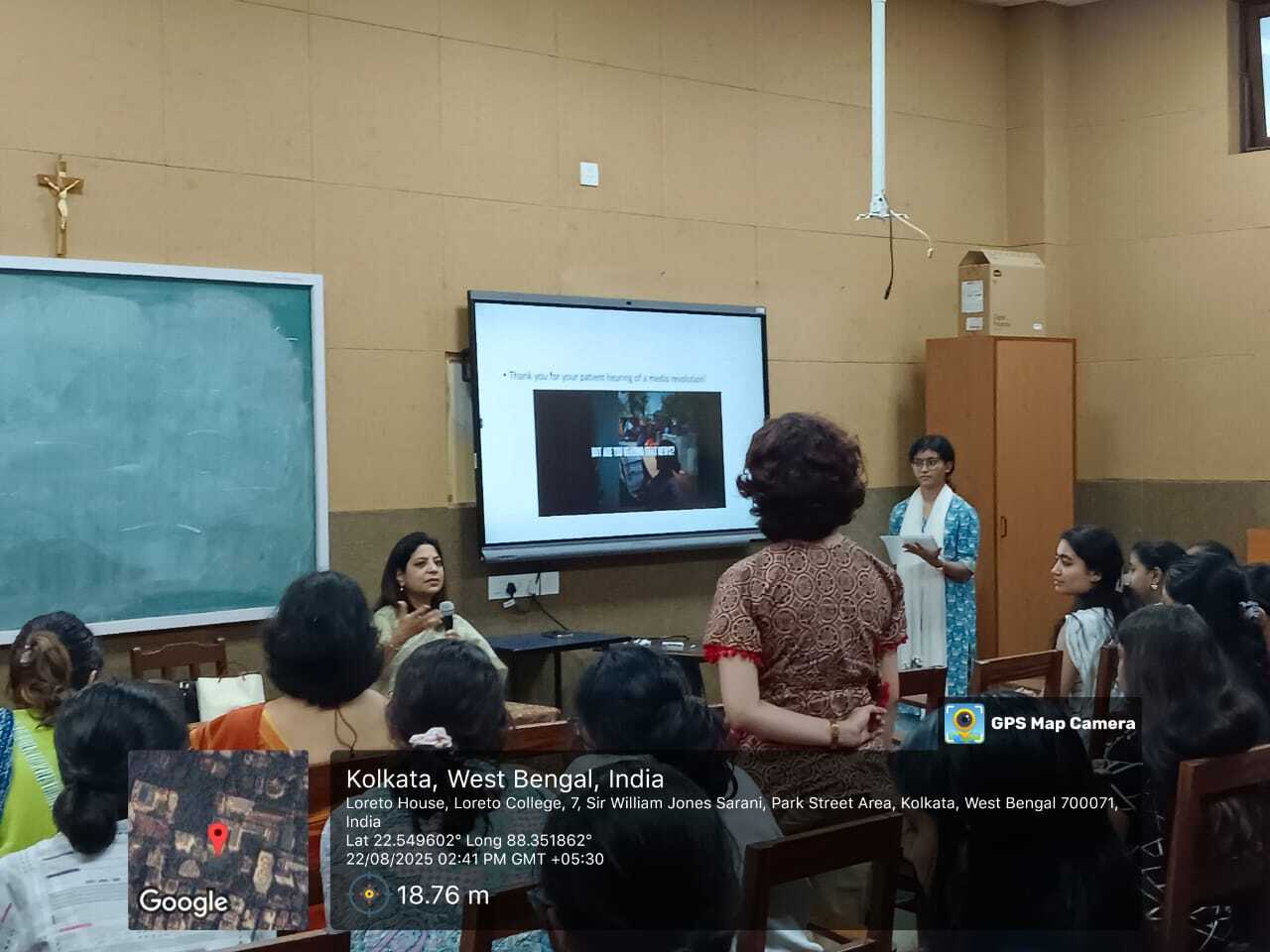
The lecture concluded with a vibrant question–answer session. Students and faculty engaged with Professor Mitra on various themes, such as the distinction between women's self-expression through Khabar Lahariya and through political organizations, the challenges of fundraising, the hostility of patriarchal structures, and their nuanced perspective on equity versus equality. She highlighted how funding posed initial challenges, but sustained support from NGOs eventually strengthened their work. Above all, she emphasized the resilience of these women, who turned journalism into a vehicle of empowerment and community transformation.
As students of history, the session was deeply enriching for us. It revealed how grassroots journalism functions as a living archive of voices that mainstream narratives often ignore. The founders and reporters of Khabar Lahariya exemplify how women from marginalized backgrounds can claim their space as storytellers, historians, and agents of social change.
The alumnae talk left us inspired. For the Women and Gender Development Cell, it was a reminder of the power of women's collective strength and the importance of amplifying unheard voices. Khabar Lahariya shows how determination and courage can dismantle barriers of caste, class, and gender. Their journeys are not only empowering for us but also for the children in their communities, who grow up seeing that they too can "do something good".




 ANNOUNCEMENTS