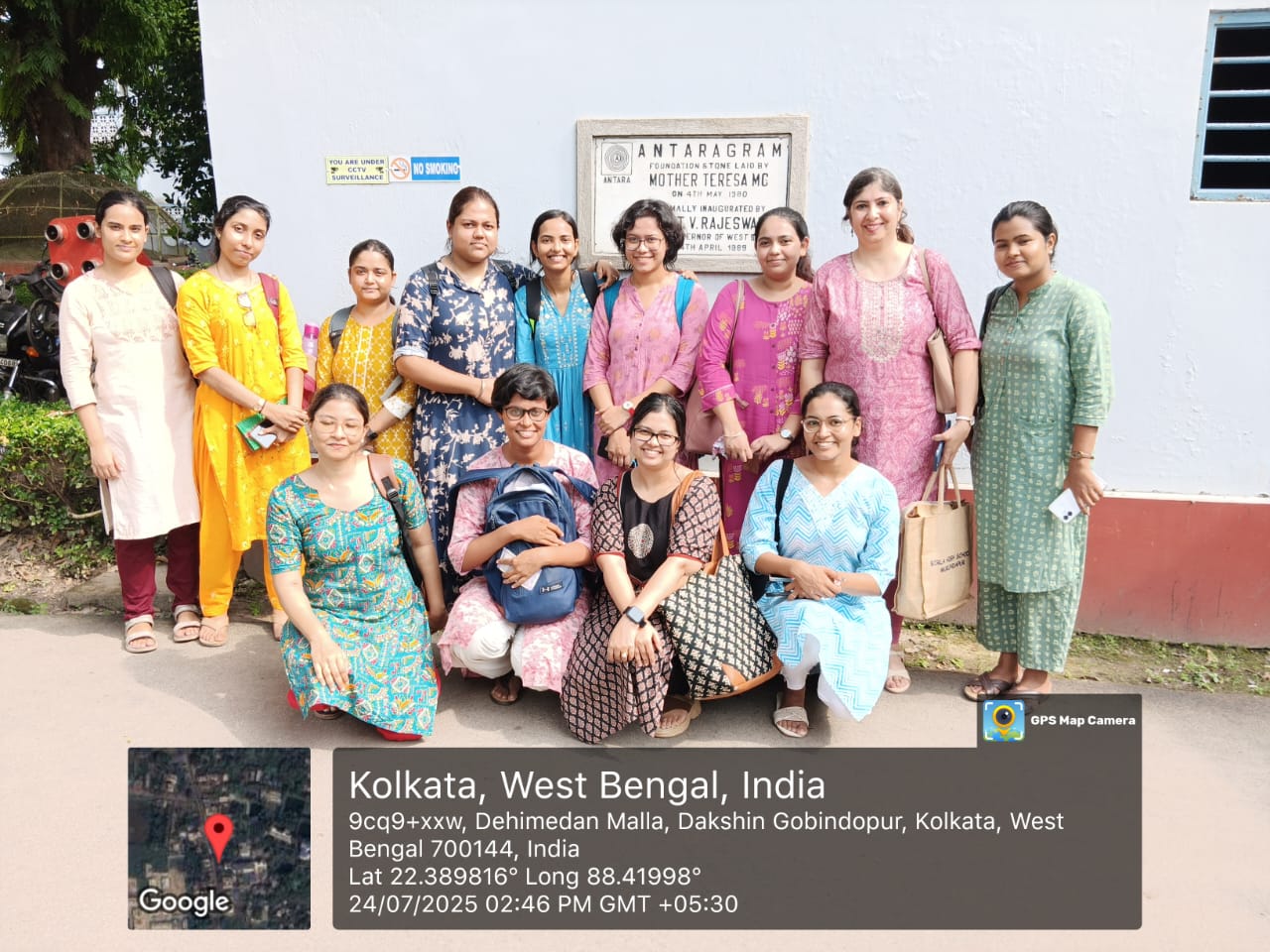
Field visit to ANTARA Psychiatric Hospital and Rehabilitation Centre
Visiting Antaragram by the PG Psychology students on July 24, 2025 (10 am - 2:45 pm) was one of the most moving and thought-provoking experiences we have had. As psychology students, we were aware of the clinical and theoretical dimensions of mental health, but seeing them unfold in a real-world therapeutic setting brought a new layer of understanding and empathy to everything we have studied.
Antaragram, a psychiatric facility and mental health organization located on the outskirts of Kolkata, provides holistic care to individuals with mental health challenges. From the moment we stepped onto the campus, we felt a quiet, almost meditative atmosphere. It was far removed from the stereotypical image that people might have of a psychiatric hospital. The environment was green, calm, and carefully designed to promote healing, dignity, and community integration.
During the visit, we were guided through the various units and introduced to the structure of care. Antaragram follows a multidisciplinary approach, where psychiatrists, clinical psychologists, psychiatric social workers, and nurses work together to provide individualized care. We were deeply impressed by the emphasis on rehabilitation especially the creative and vocational therapy units. Patients were engaged in pottery, gardening, painting, and tailoring. Watching them focus on their work with such dedication was humbling. It reinforced for us the power of meaningful activity in mental health recovery.
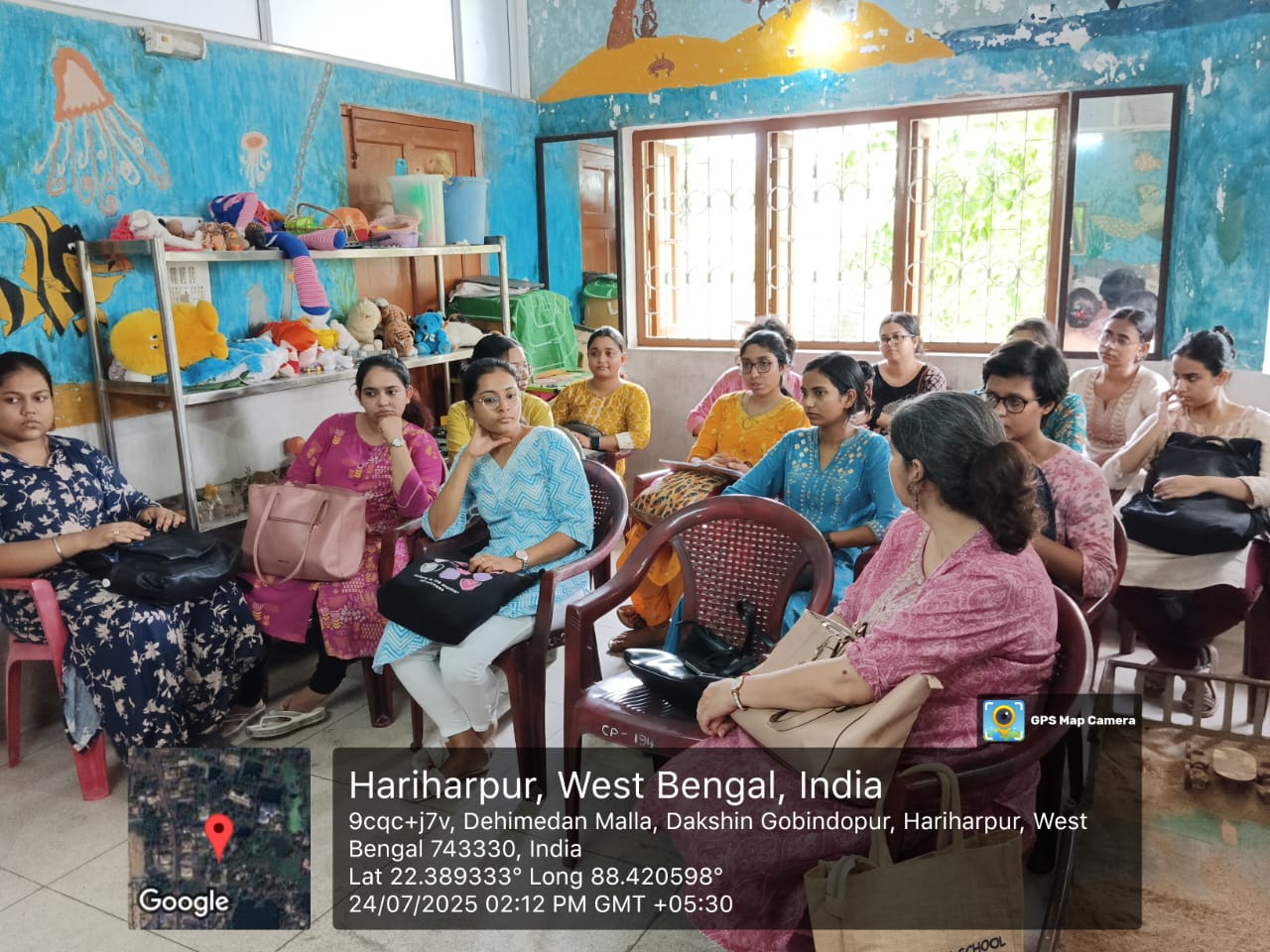
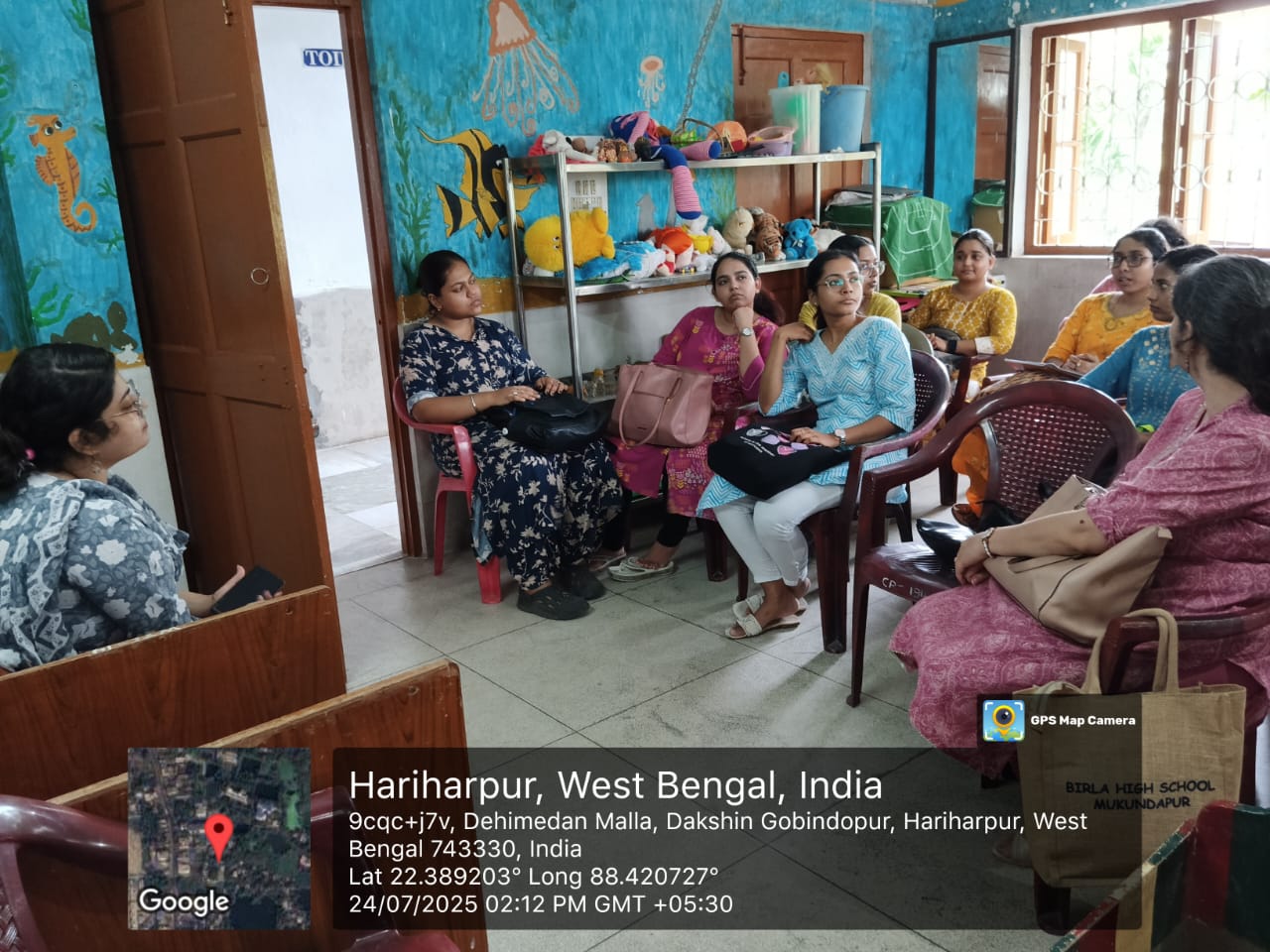
We also had an interactive session with some of the mental health professionals working at Antaragram. They shared insights about the different forms of therapy used – including cognitive-behavioral therapy, occupational therapy, and family counseling. The social workers spoke about the challenges of stigma and how they work with families and communities to promote reintegration.
Perhaps what struck us most was the humane and non-judgmental approach to care. Each patient was treated with respect and kindness. No one was just a 'case' or 'diagnosis' – they were people, with stories, pain, resilience, and hope. That realization stayed with us long after we left the facility.
Emotionally, the visit was intense. At times we felt heavy, seeing the effects of long-term mental illness up close can be overwhelming. But more than anything, we felt inspired. Antaragram is not just a treatment center; it is a place of healing and transformation. It is also a reminder of how much work still needs to be done to make mental healthcare accessible, compassionate, and stigma-free.
Observing the patient's condition, listening to their concerns, and witnessing the hospital environment up close made us even more aware of the responsibilities that come with this field. We gained a lot of insight, not just about clinical procedures, but also about empathy, communication, and presence. This visit opened our eyes to the reality of a future we hope to make our own someday. This experience was very fulfilling and enlightening, as it gave us a slight idea into how we are expected to be in our profession and what we can expect out of pursuing this as a profession.
In conclusion, the visit to Antaragram enriched our understanding of mental health care not just academically, but personally. It reminded us why we chose to study psychology in the first place, to understand, to support, and to humanize. We left with a deeper sense of responsibility and a renewed motivation to contribute meaningfully to this field.




 ANNOUNCEMENTS